




As a Black child growing up in America, Blackness can look like many different perspectives based on different locations. Oftentimes, cultural conversations are had in separate rooms with only one culture in the room – making it very easy to see Blackness subconsciously as a monolith. I'm from Brooklyn, NYC, the home of the second-largest Afro-Caribbean migrated community in America, second to Florida, according to the Migration Information Source. So as a child, the first massively Black population I was exposed to was the Afro-Caribbean community.
Then, I moved during the middle of middle school to a predominantly white neighborhood in P.A., and it was a complete culture shock. I immediately felt out of place and missing referencing Caribbean cultural topics with my friends back home. In high school, my family moved to a mixed neighborhood, and it exposed me to other types of Blackness, Afro-Latinas, Black Americans, Africans, etc. It wasn't until after college that I thought to myself, wow, I really only know one Black community in-depth, and that's the Afro-Caribbean culture because of how I was raised and moving back to Brooklyn, and it's still my main friend group.
Looking back to what I learned in my history classes, there was very little information given regarding Black history, that's only taught about 8-9% of the school year. So, 1) we're robbed about learning about majority Black American pioneers; and 2) Black immigrants' stories are often misrepresented from Black media and literature, which leaves our learning about each other through who we grew up around, self-educating ourselves, and traveling, which is another luxury in itself.
For way too long, we have been learning about every aspect of whiteness, from Italian, French, British, Germans, etc., and they are all allowed to take up space and be celebrated as separate white cultures globally. But when it comes to Blackness, we're often looked at as homogeneous and robbed the access to all those resources and tend to go off of stereotypes of each other or comparing struggles of each other's journey.
So let's be open to healing from these stereotypes and learn about our actual cultural journeys. Take a look at some of the resources below to be more informed about the collective Black women experience through the lens of various Black cultures like Black American, African, Afro-Caribbean, Afro-Latinas, Bi-racial black women, and transracial Black women experiences.
How To Learn More About The Afro-Caribbean Experience In America
Getty Images
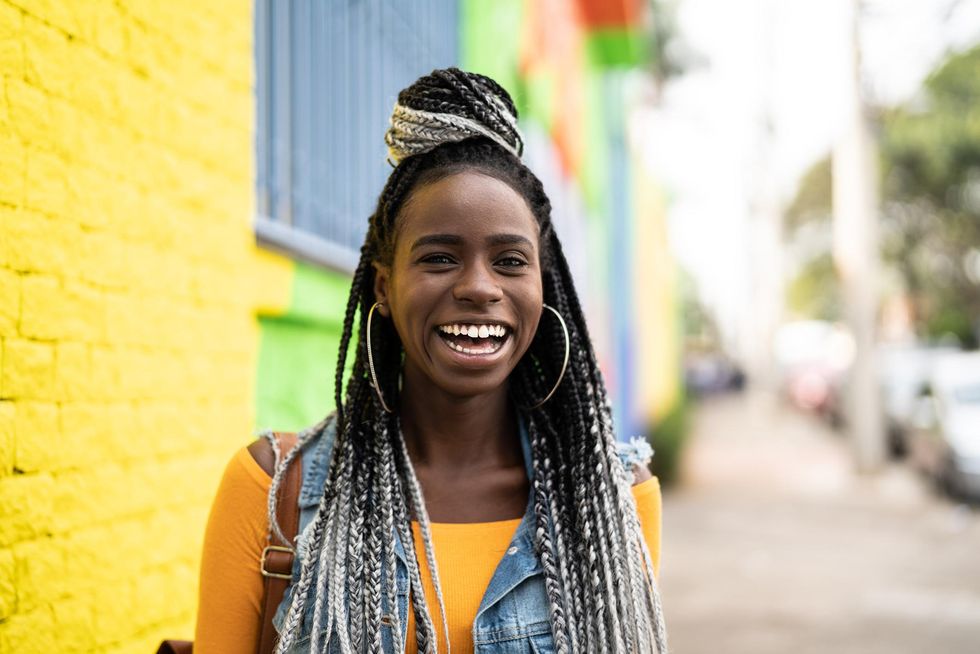
The Afro-Caribbean community in America started increasing in the 1960s throughout the country. Many immigrants moved here thinking the "American dream" is accessible to everyone, when in reality, it's just a scam. Back in the 60s- 90s, it wasn't cool to be from the Caribbean; they were often told to go back on their banana boats to their countries because, in Black Americans' eyes, they were robbing their opportunities, but that was never their goal. They fled from their home countries that didn't face many racist issues but faced classism and economic issues.
Unfortunately, many people weren't educated enough regarding how the Black American community was treated at the time; Afro-Caribbeans heard stories of how intense segregation and Jim Crow Laws were, but hearing about it and living it are two different experiences. Like many immigrant communities, they tend to flee from their countries to spaces that many other people from their communities are, so some of the biggest Caribbean communities in the States are in Florida, NYC, and Atlanta, but they are also sprinkled throughout the nation as well.
Some books to read to familiarize yourself with the Afro-Caribbean experience in America are Black Ethnics: Race, Immigration, and the Pursuit of the American Dream by Christina M. Greer and Black Identities: West Indian Immigrant Dreams and American Realities by Mary C. Waters. You can also check out a phenomenal documentary series called Small Axe, directed by Steve McQueen, based on the initial migrating Afro-Caribbean community in the U.K. called "Windrush generation."
How To Learn More About The Black American Experience In America
Getty Images
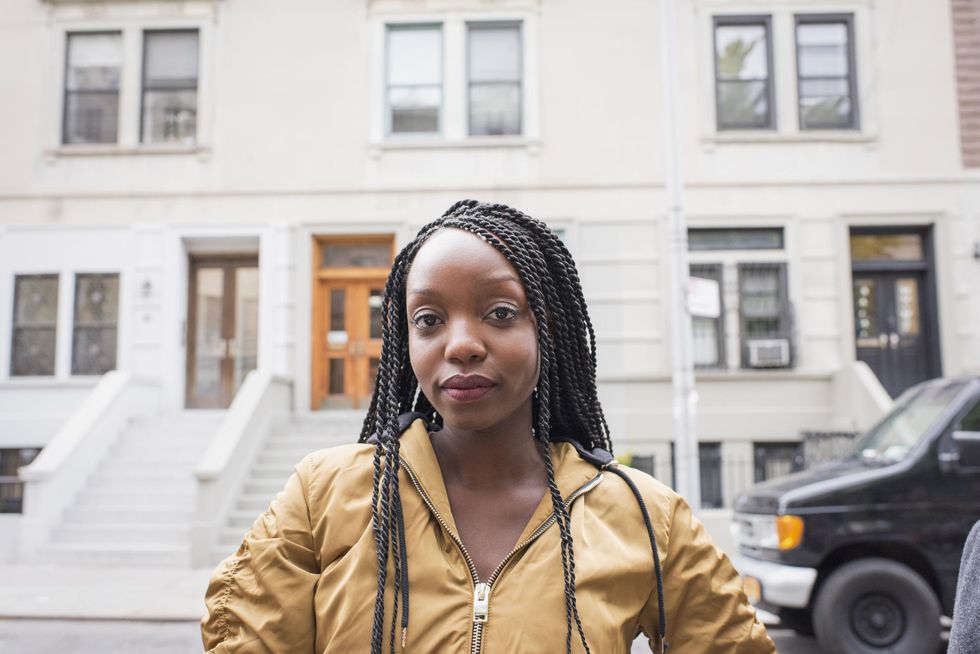
You would think learning about the Black American experience is easy because they are the dominant Black community in America. However, we live in a timeframe where Black culture is celebrated more than Black history. And often, Black history is ostracized from American history, so it's harder to access it if you aren't self-learning.
The community that deserves the most flowers for paving the way for all Black people in America is Black Americans – for all the doors they've opened thus far.
I think it's essential to read some older books based on the Black American experience from the past few decades prior to be more effective with combating issues in the present. Frequently, patterns of oppression repeat themselves but through new ways in a different generation.
Some of my recommendations for every Black person to read is The Autobiography of Malcolm X, written by Malcolm X, and Ain't I a Woman: Black Women and Feminism by Bell Hooks, which is an informative read about the history of Black feminism in America. There are countless recommendations regarding the modern-day Black experience, like Between the World and Me by Ta-Nehisi Coates and The New Jim Crow by Michelle Alexander. The latter thoroughly explains today's modern-day slavery in the nation's mass incarnation system that disproportionally targets Black men.
How To Learn More About The Afro-Latina Experience In America
Getty Images
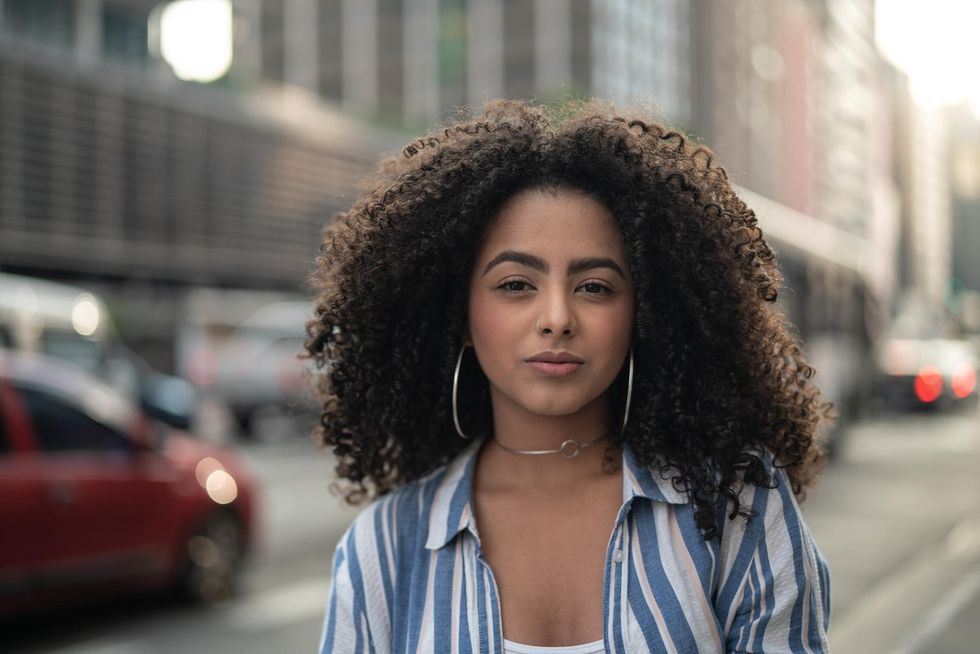
The Afro-Latina experience feels like such a new age sub-culture of Blackness because for so long, I just heard several Latinas say they were just 'Latina' as if it's a race, or they would say they are Black, but they just speak Spanish based on where they come from. But the truth is, Afro-Latinos collectively have existed for generations. According to Pew Research Center, "for a long time, several Latin countries didn't collect official statistics on ethnicity or race, especially from populations with African origins." It was only within the last few years it's been recorded because of the high demand of minority groups requesting it. This means that many people aren't fully aware of their racial background from those countries.
Afro-Latinas, like Haitians, have another layer of an intersectional Black experience in America because their first language is Spanish, French, or Portuguese. Anyone coming from Hispanic countries, inclusive of the Caribbean, Central America, South America, that comes from African descent are Afro-Latinos. Their race is Black, and their ethnicity is Latinx.
An educational documentary series I watched recently called Black in Latin America opened my eyes to the lineage and discrimination of Afro-Latino communities in Cuba, Mexico, Peru, Dominican Republic, and Brazil. And a great read to get acquainted with to learn more about the Afro-Latina experience in America is The Afro-Latin@ Reader: History and Culture in the United States by Miriam Jiménez Román.
How To Learn More About The African Woman Experience In America

Getty Images
African women are a unique group of Blackness because they aren't included in the Black diaspora because they come from the motherland. So to all my African-American sistas, you aren't the only ones that don't know where you come from. Afro-Caribbeans and Afro-Latinas also don't know our full roots because we were brought to these western countries based on colonization and slavery.
Don't let our new flags, foods, and cultures fool you; we have always been digging to learn about our African roots too.
They also come from predominantly Black countries that are more fixated on classism and don't deal with as many racist issues as Afro-Caribbean countries. Africans have another intersectional Black experience to deal with in America; many of them speak languages other than English as their native language, like Igbo, Hausa, Oromo, Yoruba, Portuguese, Francophone Africa, etc. An enlightening read to start with is Voices of African Immigrants of Kentucky: Migration, Identity, and Transnationilty by Francis Musoni, Iddah Otieno, and Angene Wilson.
How To Learn The Black Bi-Racial Woman Experience In America
Getty Images
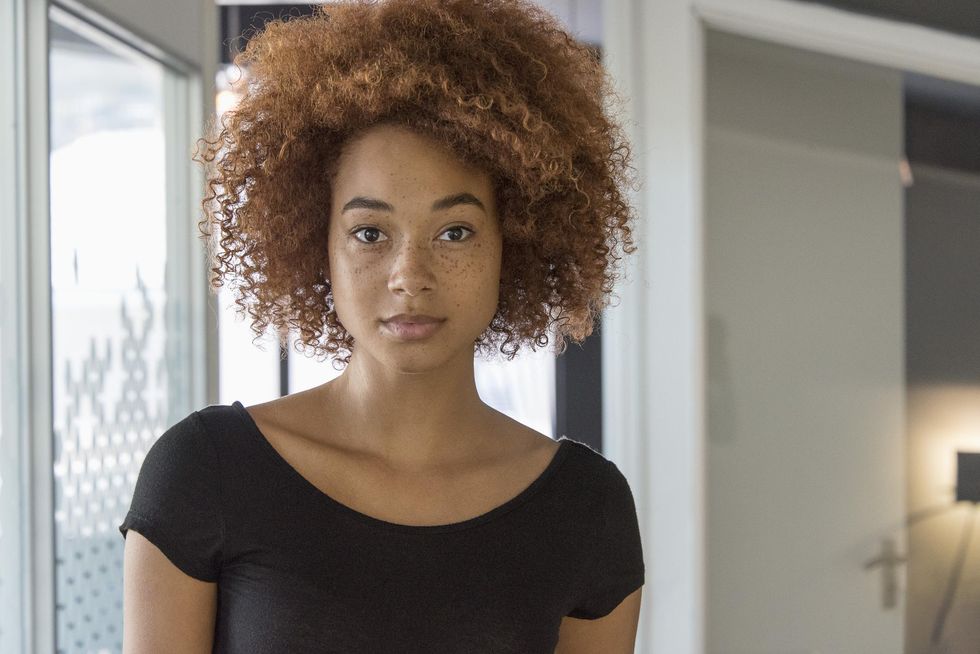
Being a Black Bi-Racial woman in America is a subjective experience based on how you were raised, if both partners were in your life, and what race you look more like. Black bi-racial women are perceived and treated very differently in society based on how dark or light their complexion is, as well as what their hair and facial features like. What could be perceived as two people from different backgrounds in a loving relationship and having a child in the world brings forth a range of conflicting issues to deal with once this child is born.
Most individuals in the world aren't mixed, and they often want their child to choose their race more than their partner's race. I've been there myself because I'm a bi-racial Black woman, that has always identified as more Black based on how I was raised, the parent I was closest to, and what I look like more. But my experience isn't apples to apples with other bi-racial black women that may look less Black or identifies more with her non-Black side.
Then, there is the you're never Black enough to lead the protest, or you can't speak to the Black women experience because you're not "fully" black conversation. And there is a long list of bothersome fetishes as if we chose our racial ethnicities or our existence is some hip trend. Overall most bi-racial people never feel like they truly fit, and we're interrogated of whether or not we are being Black enough or enough of our other race. An informative read exploring the Black bi-racial journey is Half and Half: Writers on Growing Up Biracial and Bicultural by Claudine Chiawei O'Hearn. You can also check out this documentary called Armor: Biracial in the Deep Douth directed by Sarah Gambles.
How To Learn More About The Transracial Adopted Black Woman Experience

Getty Images
Transracial adopted Black women are Black women that are adopted by non-Black families. This experience isn't often spoken of in-depth, and it was brought to my attention when I listened to an episode on the Therapy for Black Girls podcast where Dr. Joy Bradford interviewed Judith Sadora about the transracial adoption process. People often see adoption as something to be grateful for, but it's more responsibility to adopt a child outside of your race. It becomes the adopted parents' responsibility to teach and provide resources for their children based on how the world sees them and is going to treat them.
However, many people aren't aware of the additional responsibility and just raise them as their race. And because of that, transracial adoptees often grow up with a lot of identity issues, having no biological parents to reference for things that speak to their direct racial issues.
Some good resources to inform yourself about this particular journey are tuning into the bonus episode of Therapy for Black Girls podcast interviewing transracial adoptee Angela Tucker. You can also tune into her podcast, the Adoptee Next Door Podcast. Also, one of my favorite shows currently streaming on Hulu, called This is Us, is a heartfelt show that features a transracial Black man growing up searching to connect with his Blackness all throughout his life.
There is so much power with learning our stories! It's an unfortunate reality that the world is currently complacent with obsessing over Black culture rather than they are about learning about all the beautiful layers of the Black lineage. The more we are open to learning about each other's specific journeys allows space for less criticizing and the more empathy that we can extend to each other. No more crabs in a bucket lifestyle; we need to change the narrative because it's always gone against us with every other culture working together to help each other, not hold each other back. We all have unique qualities to contribute to the collective Black lens.
As brother Malcolm would say, "Without education, you're not going anywhere in this world." Without learning about each other, it limits our collective growth when staying in segregated cultural Black communities, so be the pan-Africanist you want to see in the world.
Featured image by Getty Images
RELATED




Anyway, I personally think that the less shallow folks out here may contemplate calling things “quits” or they at least distance themselves a bit from their partner (and what I’m referring to is serious relationships) due to all of the stress and strain that oftentimes comes with the holidays whether it be financial, familial, due to their tight schedules or something else.
Listen, I would hate for you and your man to miss the fun and happiness of experiencing this time of year, all because you are so overwhelmed or irritated that you can’t really enjoy it. That’s why I have a few practical tips for how to avoid allowing the typical holiday season stress from INFECTING your relationship.
Manage Your Expectations
 Giphy
GiphyUnmanaged expectations. If there is a main reason why the holiday season tends to be so stress-filled for so many people, I’d bet good money that this is the cause. And when you’re in a long-term relationship, expectations can manifest themselves in all sorts of cryptic and/or unexpected ways. You might have relatives who assume that you are going to be with them for Thanksgiving or Christmas when you have other plans in mind. You might be thinking that you are going to spend one amount for presents while your man is thinking something totally different. When it comes to scheduling, your signals may be crossed.
And you know what? To all of these scenarios, this is where clear and consistent communication come in. Don’t assume anything. Don’t dictate anything either. From now until New Year’s, mutually decide to check in once a week, just to make sure that you are both on the same page as it relates to the holidays and what you both are thinking will come along with it. The less blindsided you both feel, the less stressed out you will be. Trust me on this.
Set (and Keep) a Budget
 Giphy
GiphyOkay, so I read that last year, 36 percent of Americans incurred some type of holiday-related debt. Hmph. Last year, there was still some sense of normalcy in this country, chile, so I can only imagine what finances are gonna look like over the next several weeks. That said, since I don’t know a lot of people who don’t find being broke stressful, make sure that you and your bae set a budget and then stick to it this year — no ifs, ands or buts.
Because really, y’all — it doesn’t make sense to deplete savings and/or max out credit cards for a few days of giggles only to be damn near losing your mind because you don’t know how to make ends meet come Dr. Martin Luther King, Jr. Day.
And by the way, this tip doesn’t just speak to things like food and gifts; I also mean travel. If it doesn’t make a ton of sense (or cents) to be all over the place this year — DON’T BE.
Keep Matthew 5:37 at the Forefront
 Giphy
GiphyIf off the top of your head, you don’t know what Matthew 5:37 says, no worries, here ya go: “But let your ‘Yes’ be ‘Yes,’ and your ‘No,’ ‘No.’ For whatever is more than these is from the evil one.” That verse right there? Oh, it’s a boundaries lifesaver! I say that because do you see “maybe” or “I’ll think about it” in there? Nope. LOL. It says that you should tell people “yes” or “no” and leave it at that — and that complements Anne Lamott’s quote, “’No’ is a complete sentence” impeccably well. Yeah, you’ve got to remember that anything beyond a yes or no to a request is privileged information; you don’t owe anyone details or an explanation.
Besides, if you are really honest with yourself, when someone asks you something and you give a “Umm, let me think about it” kind of reply, more times than not, you already know what your answer is going to be — so why not let you both off of the hook? Give your response. Commit to that. And let everyone (including yourself) get on with their lives and schedules.
I promise you that when it comes to those holiday parties, you are pissing more folks off by not RSVP’ing or doing so and not showing up than just saying, “Thank you but not this year” off the rip.
Remember That Your Personal Space Is Privilege Not a Right
 Giphy
GiphyA friend of mine recently bought a new house and invited me over to come see it. He’s a single man with no children, so as I was taking in all of the space that he had, especially as I walked through his finished basement, I joked about relatives coming to live with him. “Hell no” and “absolutely not” were pretty much his immediate responses as he went on to say that some folks even had the nerve to be offended when he told them that he had no intentions on taking DNA in.
Ain’t it wild how people think that your stuff is their right? And yes, that brings me to my next point. Your home is your sanctuary space. If you want to host folks this year — cool. If not, ALSO COOL. Please don’t let folks (family included) guilt you into how they want you to act or even into what they would do if the shoe was on the other foot. You are not them — and as one of my favorite quotes states, “If two people were exactly alike, one of them would be unnecessary.” (A man by the name Larry Dixon said that.)
Hell, my friends? They know that I am good for sending them random things that they need or even want all throughout the year. Coming over to hang out at my pace, though. Uh-uh. Chalk it up to being a card-carrying member of the ambivert club yet I like keeping my living space personal — and I sleep like a baby, each and every night, for feeling that way.
Always remember that your space, your time, your resources, your energy and shoot, yourself period (including your relationship), are all things that are your own. You get to choose how, when and why you want to share them. The holiday season is certainly no exception.
Cultivate Some “You Two Only” Traditions
 Giphy
GiphyIt’s not uncommon for some couples to hit me up after the holiday season to “detox.” Sometimes it’s due to the financial drama (and sometimes trauma) that they experienced. Sometimes it’s because they allowed their relatives (especially in-laws) to get more into their personal business than they should’ve. More than anything, though, it tends to be because they didn’t get enough quality time together and so ended up feeling “disconnected.”
Please don’t let that happen. Listen, I’m not even a holidays kind of woman and yet, I will absolutely sit myself down with some hot chocolate and chocolate chip cookies to enjoy a Hallmark holiday film or two. Aside from the fact that most of them are lighthearted and sweet, I also like that they usually focus on couples loving on each other amidst all of the holiday beauty and ambiance — which is something that all couples should set aside some time to do.
Maybe it’s a vacation. Maybe it’s a staycation. Or maybe it’s my personal favorite, A SEXCATION. Whether it’s for a few days, the weekend or even overnight — don’t you let the holidays go by without setting aside time for you and your man to celebrate one another. Don’t you dare (check out “Are You Ready To Have Some Very Merry 'Christmas Sex'?”).
GET. SOME. REST.
 Giphy
GiphyI once read that 8 out of 10 people get stressed out over the holidays and 3 out of 10 lose sleep during to it — and when you’re stress-filled and sleep-deprived, that can absolutely lead to hypersensitivity, making mountains out of molehills and even not being in the mood for sex.
Your relationship can’t afford to go through any of this, so definitely make sure to prioritize rest. I don’t care how unrealistic it might seem during this time, sleep should never be seen as a luxury; it will always and forever be a great necessity.
That said, try to get no less than six hours of shut-eye in (check out “6 Fascinating Ways Sex And Sleep Definitely Go Hand In Hand”) and even ask your bae to take a nap with you sometimes (check out “Wanna Have Some Next-Level Sex? Take A Nap, Sis.”). Not only will sleep help to restore your mind, body and spirit but, when it’s with your partner, it’s an act of intimacy that can make you both feel super connected, even in the midst of what might feel like chaos.
___
Holiday season stress is real. Still, never give it the permission or power to throw your relationship off. Put you and your man first and let the holidays be what they are gonna be, chile.
Let’s make things inbox official! Sign up for the xoNecole newsletter for love, wellness, career, and exclusive content delivered straight to your inbox.
Featured image by Shutterstock
1. Create a Budget. Stick to It.
 Giphy
GiphyBudgets, boy. I recently read that one of the reasons why they don’t work for a lot of people is because many folks don’t have a clue about how much money they spend on a monthly basis to begin with. SMDH. That said, at the end of the day, it’s important to remember that a budget is simply setting boundaries/limits on your spending — and being intentional about moving in this fashion is always a wise move; especially when it comes to this time of the year…especially being that it’s typical for half of all Americans to take on some type of holiday season debt with 17 percent needing six (or more) months to pay it off.
Know what can prevent this kind of financial chaos? A SPENDING BUDGET. Tips for how to create one of your own this year can be found here.
2. Never Shop When You’re Stressed or Pressed
 Giphy
GiphyYou know how they say that it’s not a good idea to go grocery shopping when you’re hungry? Although the holiday season can be a stressful time, avoid shopping for gifts (or décor or food for recipes) when you are feeling stressed out or pressed for time. More times than not, that cultivates anxiety which could cause you to either purchase things that you don’t really want or to spend money that you don’t really have (P.S. If you’re relying on credit cards, that qualifies as money that you don’t really have. Just sayin’).
3. Don’t Keep Up with the Joneses
 Giphy
GiphyKnow something else that can stress you out: trying to keep up with the Joneses. And y’all, now that we have social media, the reality is that envy is at an all-time high. That’s because it can be really easy to watch holiday engagements, holiday trips and folks bragging about the things that they’ve received in times past, only for you to find yourself wishing that you were them — or putting pressure on yourself and those in your world to keep up.
Listen, it is King Solomon who once said, “So are the ways of everyone who is greedy for gain; It takes away the life of its owners” (Proverbs 1:19 — NKJV) and “A sound heart is life to the body, but envy is rottenness to the bones” (Proverbs 14:30 — NKJV) and he’s considered to be the wisest man who ever lived (during his time — I Kings 4:30). Yeah, both of these verses are a spiritual reminder that whatever you are planning to do or give, do it out of the goodness of your heart — not so that you can low-key “outdo” the next guy.
4. No Need to “Tit-for-Tat”
 Giphy
GiphyThis one might be a bit controversial yet I’m totally okay with that. I don’t care what the occasion is, no one is OWED a present. A gift is a voluntary token of one’s appreciation or affection. That said, if you decide to give someone a present this year, don’t automatically expect something in return. If you get something, cool. If not, if you were giving for the right reasons, it really shouldn’t matter (RIGHT?). On the flip side, if someone decides to get you something and you don’t have something to offer in return, also cool.
Other than going to someone’s home for a holiday dinner or party, for anyone to feel like they should have something in hand because someone else does…that’s not giving, that’s competing — and that absolutely should not be the spirit that you are in (or around) during this time of year.
Again, a gift is not an obligatory thing. If you’ve always thought otherwise, it’s time to do some serious reprogramming.
5. Avoid the Pressure to Buy for Lots of Adults
 Giphy
GiphyLast month, Newsweek published an article that said it’s wise to not spend a ton of money purchasing gifts for adults. A financial expert in the piece said that it’s best to buy for kids because, more times than not, you’re going to get adults something that they already have a lot of, they don’t really need or they’re not going to use (beyond maybe regifting) anyway.
If you’re not feeling that insight, my take would be to exchange names and set a price cap for the grown folks. I say that because, I don’t think that people ever outgrow wanting something over Christmas. It’s just that the over-the-top energy should be reserved for the kiddies — and even then, the “4-gift rule” (want, need, read, experience) is probably your best bet for them…financially and otherwise.
6. Go for Thoughtful over Expensive
 Giphy
GiphyIt’s kind of wild how much close-to-torture folks send themselves through to purchase gifts that, a good 6-8 months now, most folks aren’t even going to remember. That’s why it’s also a good idea to purpose in your mind to get something thoughtful over expensive.
Honestly, that’s a big part of the reason why Etsy continues to be a go-to for gifts (for every occasion) for me. It’s because you can oftentimes get things customized/personalized which ends up meaning so much more to people than something that you bought at a generic department store that might have a high price tag yet still lacks in sentimentality and deep meaning.
7. Use Coupons and Promo Codes
 Giphy
GiphyCoupons (and promo codes) are a slippery slope in the sense that…they remind me of when I used to go overboard while thrift store shopping. I say that because, just because I might find several bomb dresses for under $20, what am I going to do with 50 of ‘em (over time)? It’s just as much of a waste of money as buying couture if neither option gets much use.
And that’s kind of the thing about coupons and promo codes. Some people end up overspending because they rationalize that so long as there are discounts attached, it’s all good. At the same time, this doesn’t mean that you should forego coupons and promo codes altogether. The key is to put together your shopping list (and budget) and then use discounts specifically for those items. If you do this, you could save well over $1,000 annually (at least, depending on what you decide to buy).
8. Avoid Add-Ons
 Giphy
GiphyYeah. Dodge add-on expenses. Add-ons like what? The first thing that comes to my mind is a warranty. What’s the chance that someone is actually going to need that? Another example is paying for things to be “professionally” gift wrapped. Chile, throw that stuff in a gift bag with some tissue paper and go on about your day. All good.
9. Rethink Gift Cards
 Giphy
GiphyIf there is any time of the year when there is a noticeable hike in gift card purchases, now would be it. And although they are a convenient approach to gift giving, at the same time, many come with hidden fees, the full amount oftentimes goes unused (which ends up being a waste of money) and they do come with expiration dates that are oftentimes forgotten.
So, if you’re someone who likes to wait until the last minute to do your holiday shopping, resist the urge to impulsively pick up a handful of gift cards. Unless it’s to a place that you know someone is going to use within the next few months, they could end up in somebody’s kitchen drawer for the next couple of years. And what a waste that would be.
10. They’ll Get It When They Do. And That’s Okay.

=
GiphyOne more. Although it is super thoughtful and proactive to get people their gifts in time for whatever occasion you purchased them for, if trying to reach that goal is going to require paying for rush shipping that is damn near as high as the price of gift or spending a lot of gas money that you don’t have at the moment to drive miles and miles away — take the pressure off to spend a ton of cash just to make sure that something arrives at December 25. Listen, through doing business with Etsy, I have learned that through this administration, there are all sorts of tariff issues going on and the USPS is slower than ever too, so paying more may not guarantee much.
The hack? Send a message that something special is coming…soon enough. The thought really is what counts (more times than not); plus, it builds anticipation of something good coming, even if it’s after all of the Christmas Day hoopla. And no one (with sense) is going to have a problem with that.
Now don’t you feel better? Happy Holiday Shopping, sis.
Let’s make things inbox official! Sign up for the xoNecole newsletter for love, wellness, career, and exclusive content delivered straight to your inbox.
Featured image by Shutterstock