

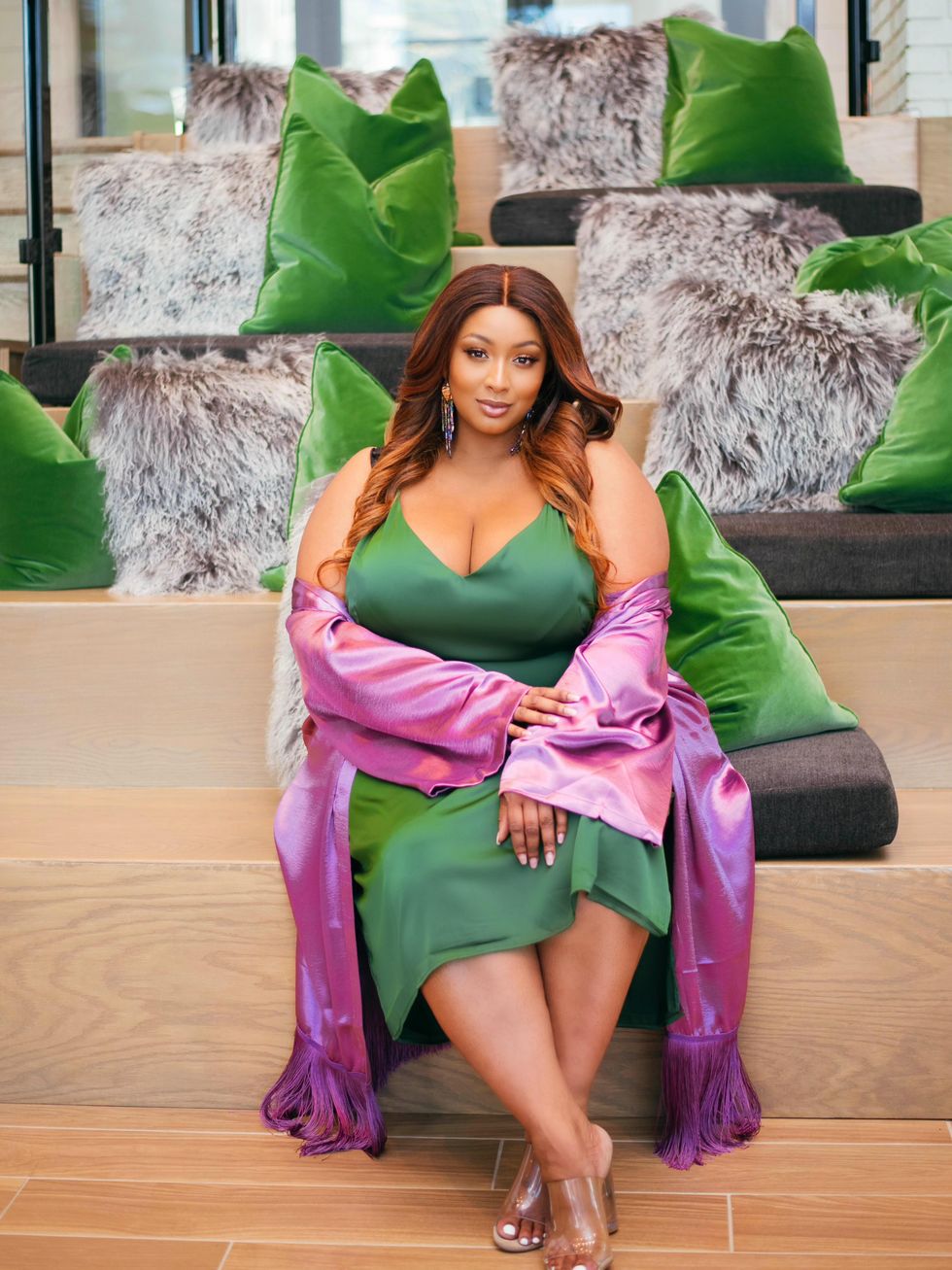
Nzinga Imani is a name you may want to get familiar with. She is an actress, the owner of Nimani Boutique, a singer, and a plus-sized model who has wowed fans with her talent on social media and TV. She can currently be seen in shows including BET+'s All the Queen's Men, BET Her's Curves and a YouTube series, "Pretty for a Big Gurl." While she is steadily taking over the small screen, she's also using her social media pages to spread body positivity by proudly embracing her curves.
The first-generation Guyanase-American beauty has even addressed the criticism she has faced online for displaying her body and even spoke out about TikTok flagging her videos because of it. However, Nzinga has remained positive and continues spreading her light across social media. Besides landing TV roles on a major network, the actress just released her collab with popular online fashion boutique Fashion to Figure.
xoNecole caught up Nzinga with to talk about body positivity, her role on All the Queen's Men, and why she unapologetically takes up space as an actress.
xoNecole: You star in several projects on BET+, BET Her, and YouTube. How does it feel to see your stock literally rising in the acting world?
Nzinga Imani: It feels incredible. It feels affirming. It's everything I've been working toward these past several years. I decided a long time ago that I wanted to pursue acting, and it's been a steady climb ever since consistently working and being able to do what I love. There's nothing better than that—to see progression in the field—because as much as I've worked, a lot of times it felt like roadblocks were put up.
I'd get somewhere and then the project would be sidelined or I think I'm cast in a lead in a major production that's funded by this network and that network, and then they table the entire show even after we've filmed it. So, there's so many times that you'll think that you're moving forward and then the roadblock will hit, but it's in some ways connected to where you're supposed to be.
"As much as I've worked, a lot of times it felt like roadblocks were put up. There's so many times that you'll think that you're moving forward and then the roadblock will hit, but it's in some ways connected to where you're supposed to be."
Kaylin James of Howell Designs
In 'All the Queen's Men,' you play a character named Dawn, and you have a nude scene. What was your first reaction to finding out that you were going to do that?
I knew that the scene was nude when I auditioned for it. The moment I auditioned for it, I had some reservations for maybe five seconds and then I was like, 'Hey, it's an audition. I'm just gonna submit and see what happens.' When I got the call that I actually got it, I was first in shock because I was like, 'Really?'
Although they allowed me to audition for it, I still wasn't sure once they got the tape and physically if they would still [be] interested in using me. But I just had fun with the audition, and when they told me I got it, it was a little shocking, but I also knew I had killed that audition because it was a fun one.
Did you know this role would be a game-changer, as far as being a plus-sized woman having a nude scene on TV?
I absolutely knew that it was going to be a game-changer. I know, for myself, seeing all these shows and seeing how there's more and more nude scenes on television, a lot of the time, it's the stereotypical body that they show. It's the perfectly flat stomachs and the perfectly proportioned women and you don't see a lot of typical body types because 67% of women in the U.S. are plus-sized. But when we show that in the media, it's not reflective of what the reality is. You just see a bunch of what they consider perfect-type bodies on screen.
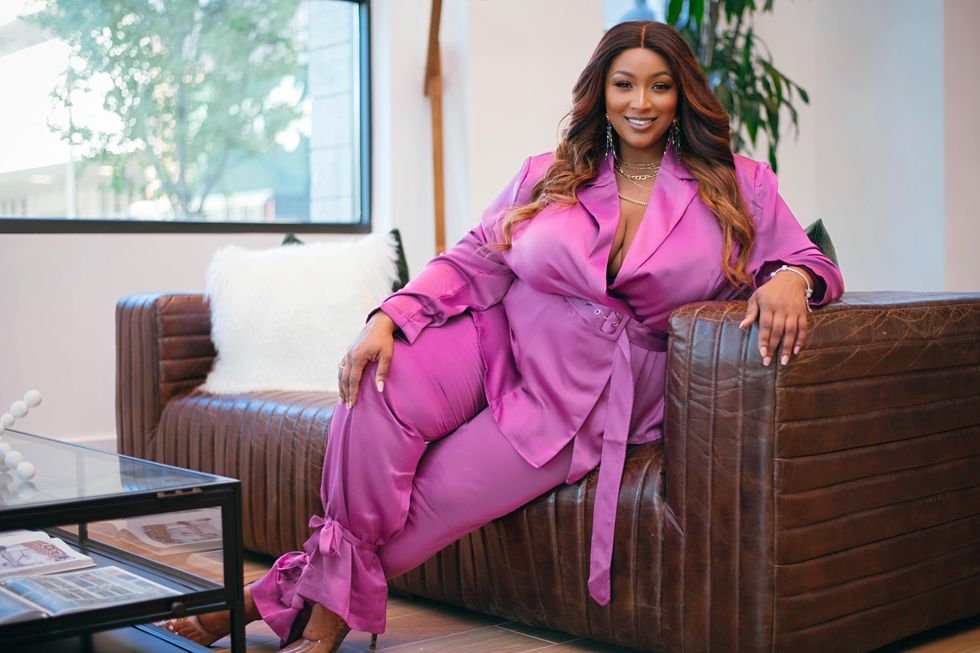
I had seen someone who was just barely plus-sized before in a sex scene, and I knew how much that meant to me to see her even though she doesn't really represent me or my culture, and she didn't look like me. Just the fact that she wasn't the stereotypical body type, it meant a lot to me. So, I was excited to be that for someone else and I've been receiving so many messages about what that meant to other women. To see me, 3XL body out there on TV and how they felt represented and seen—it was a big reason why I felt comfortable to do it and felt like it was something I could do and be proud of doing.
"To see me, 3XL body out there on TV and how they felt represented and seen—it was a big reason why I felt comfortable to do it and felt like it was something I could do and be proud of doing."
Kaylin James of Howell Designs
You're also a content creator who posts many photos and videos on social celebrating your body. While you receive lots of love, how do you rise above criticism?
I think that I always remember that there will always be someone who has something negative to say about what you're doing. No matter what you are doing, there's always going to be a group of people who hate what you stand for, and you just have to remember who you're standing up for and what your goal is. For me, it's just not to let something as benign as my weight stop me from doing everything that I want to do.
I've been part of a community that showed me that plus-sized women can be mothers, business owners, entrepreneurs. They can do anything. They are just powerful beyond measure. So often society tries to make us feel like we're less than if you're plus-size, then you're undesirable, but that's just not true.
I think [it's about] just kind of pushing [away] that stereotype and showing other women and girls like me that you don't have to listen to what they say and that you are desired and you are phenomenal and you can do anything despite your weight and that shouldn't even be such a big deal as people make it out to be.
You posted a video on TikTok calling the platform "fatphobic." Other TikTok creators have spoken out against TikTok in relation to censorship. What are some things you've experienced?
Although I do have a nude scene on BET+, I have not posted anything nude or in any way sexualized, to me, on my platforms. I don't violate community standards. I don't post sexual content. So, for them to continually take down posts and the content that I spend sometimes hours creating because of "nudity" or "sexually explicit" content and it would just be me in a crop top, it kind of got to the point where I just was overwhelmed and just irritated that they were consistently able to take down my content that wasn't hurting anyone. It was only promoting self-love—never anything sexual. They were consistently taking it down for violations that didn't exist.
Meanwhile, other people can wear the same things, if not less, than me and their page is not taken down. People can say horrible things and be mean on there, and they don't suspend them or block those pages, but in the meantime, they take down my posts. So, it just became very [irritating] to see that kind of behavior repeated over and over again. So many of my videos were deleted. So many of my videos were banned, and there was even a moment where I thought my page might get taken down. When you put so much time into a platform, to know that your page can be taken down—[due to] no fault of your own, just based on someone else's bias—I was done.
We see so many people talk about body positivity, more now especially with celebs like Lizzo in the forefront, but what does body positivity mean to you?
To me, body positivity is just loving yourself where you are right now. It doesn't mean that you can't be working toward a different body goal or you can't be disciplined. [It also means] not letting other people's opinions or biases affect the way you move throughout the world because there's always going to be people who look down on you or have something to say, but if you can stand up tall with your chest out and really defend yourself and not let their negative comments affect you, I feel like that's what the whole body positivity movement is about—having that community to back you up so you know you're not alone.
You know you don't deserve less and just having a support system—I think it's what the whole movement is here for. When I was growing up, I didn't really have that around or I didn't know there was this community of plus-sized people who were killing the game and successful in every avenue of life. Once I grew up and was introduced to that world, it made me realize I don't have to settle. I don't have to hide.
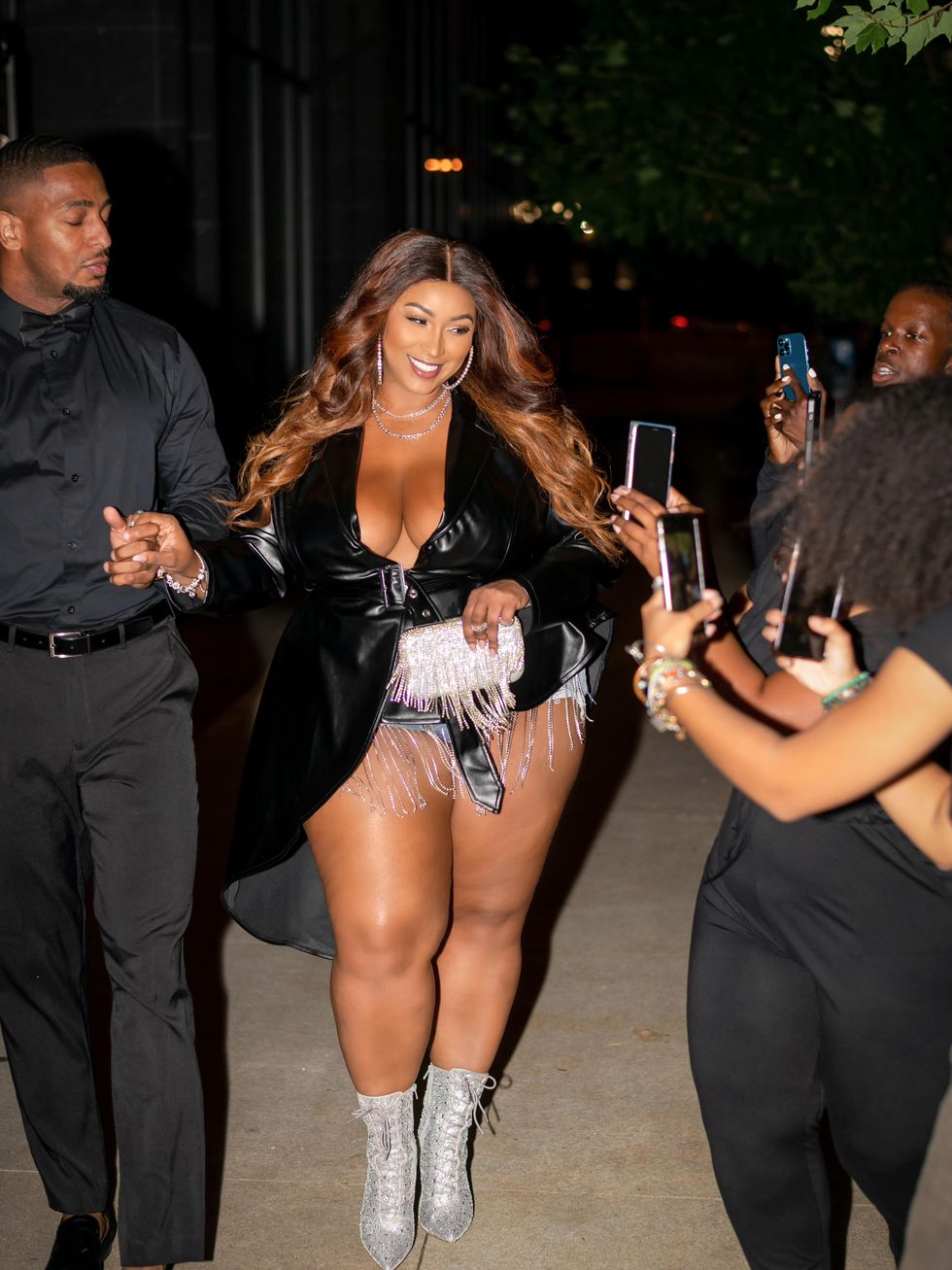
"If you can stand up tall with your chest out and really defend yourself and not let their negative comments affect you, I feel like that's what the whole body positivity movement is about. Once I grew up and was introduced to that world, it made me realize I don't have to settle. I don't have to hide."
Kaylin James of Howell Designs
What do you want people who are following your journey to take away from it?
I would just like to be an example of how resilience and authenticity can put you in the places where you want to be. I'm just trying to be 100% myself all the time, showing my personality whether it be a goofy day, a sexy day, whatever it is because we're not one-dimensional.
So, just being authentic with my audience, I feel has given me the momentum I need to feel confident when I walk into those rooms and when I walk into those auditions and I hope that my audience continues to see that authenticity in me and my performances, and my characters. No matter who they are, I always try to bring a little of myself into the characters to find that truth, because we all have that in common.
For more of Nzinga, follow her on Instagram @nzingaimani and on YouTube or check out her website is NzingaImani.com.
Featured image courtesy of Kaylin James of Howell Designs
RELATED
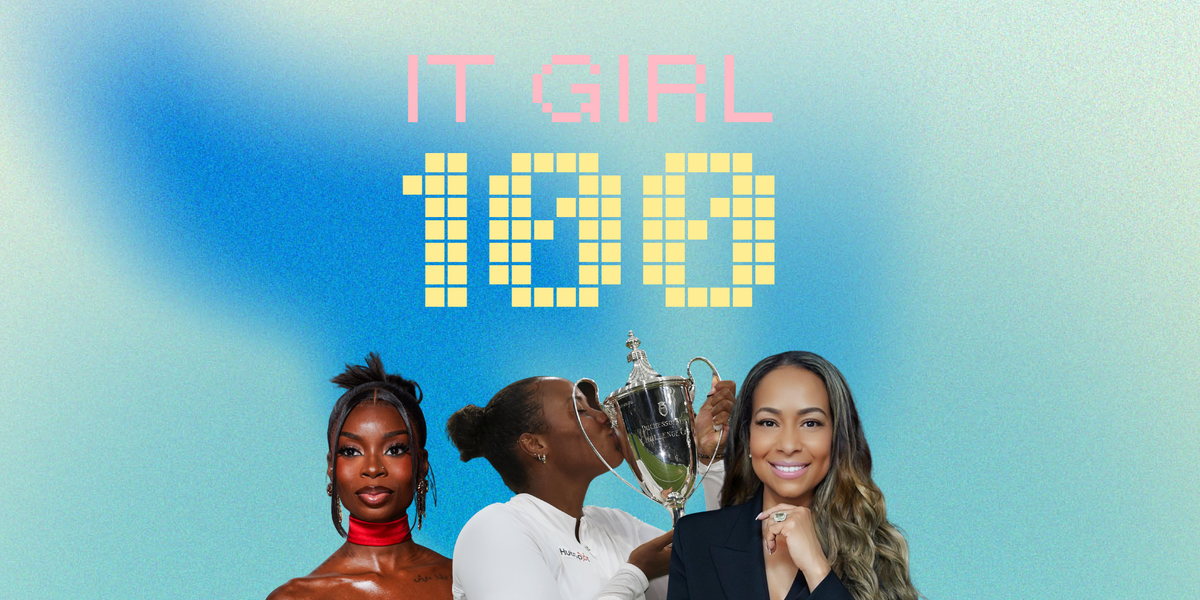
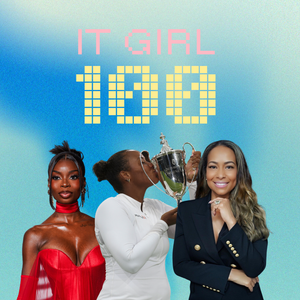
So, we handpicked one hundred It Girls who embody that palpable It Factor moving through us as young Black women, the kind of motion lighting up the world both IRL and across the internet.
It Girl 100 became xoNecole’s most successful program, with the hashtag organically reaching more than forty million impressions on Instagram in just twenty-four hours. Yes, it caught on like wildfire because we celebrated some of the most brilliant and influential GenZennial women of color setting trends and shaping culture. But more than that, it resonated because the women we celebrated felt seen.
Many were already known in their industries for keeping this generation fly and lit, but rarely received recognition or flowers. It Girl 100 became a safe space to be uplifted, and for us as Black women to bask in what felt like an era of our brilliance, beauty, and boundless influence on full display.
And then, almost overnight, it was as if the rug was pulled from under us as Black women, as the It Girls of the world.
Our much-needed, much-deserved season of ease and soft living quickly metamorphosed into a time of self-preservation and survival. Our motion and economic progression seemed strategically slowed, our light under siege.
The air feels heavier now. The headlines colder. Our Black girl magic is being picked apart and politicized for simply existing.
With that climate shift, as we prepare to launch our second annual It Girl 100 honoree list, our team has had to dig deep on the purpose and intention behind this year’s list. Knowing the spirit of It Girl 100 is about motion, sauce, strides, and progression, how do we celebrate amid uncertainty and collective grief when the juice feels like it is being squeezed out of us?
As we wrestled with that question, we were reminded that this tension isn’t new. Black women have always had to find joy in the midst of struggle, to create light even in the darkest corners. We have carried the weight of scrutiny for generations, expected to be strong, to serve, to smile through the sting. But this moment feels different. It feels deeply personal.
We are living at the intersection of liberation and backlash. We are learning to take off our capes, to say no when we are tired, to embrace softness without apology.
And somehow, the world has found new ways to punish us for it.
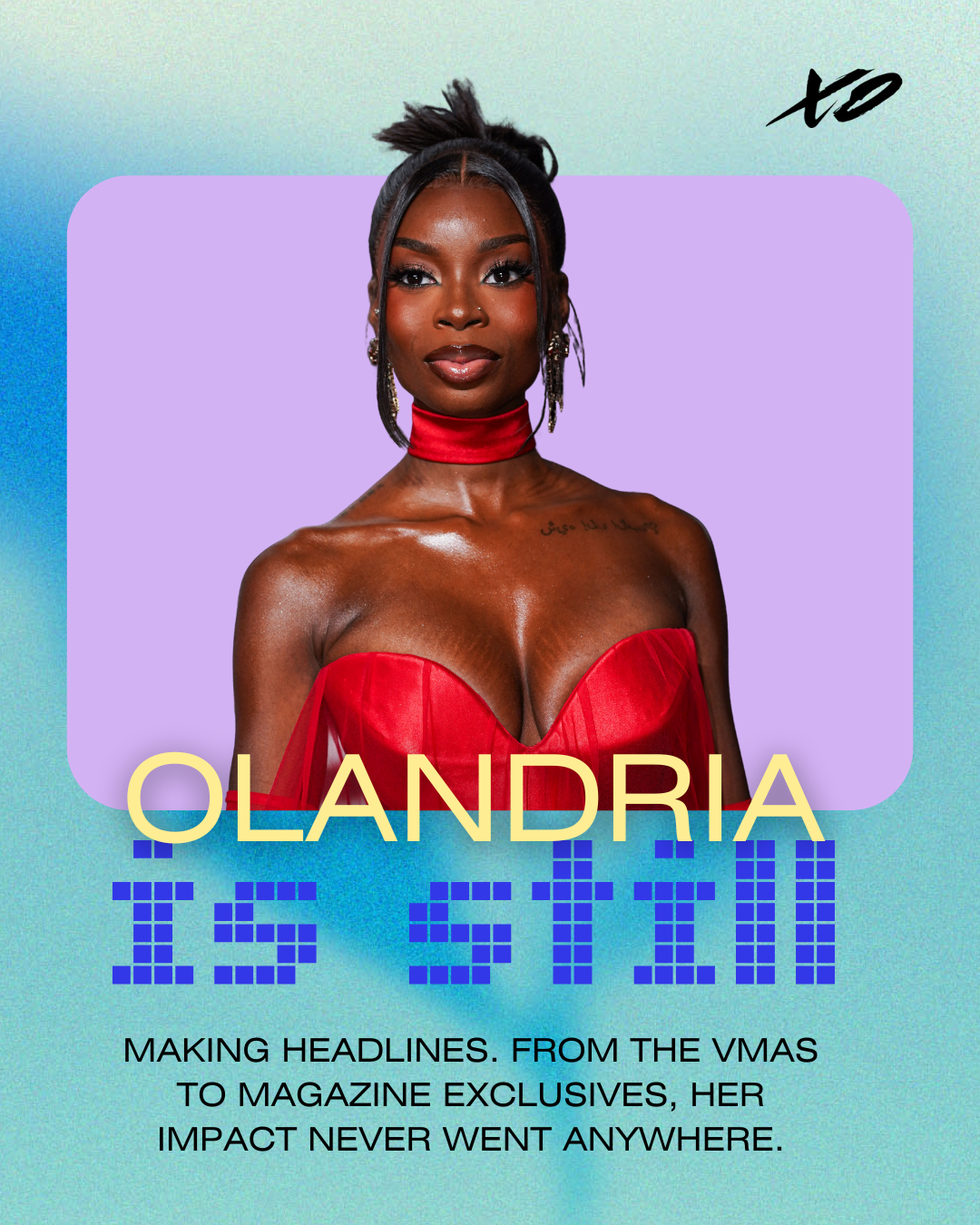
In lifestyle, women like Kayla Nicole and Ayesha Curry have been ridiculed for daring to choose themselves. Tracee Ellis Ross was labeled bitter for speaking her truth about love. Meghan Markle, still, cannot breathe without critique.
In politics, Kamala Harris, Letitia James, and Jasmine Crockett are dragged through the mud for standing tall in rooms not built for them.
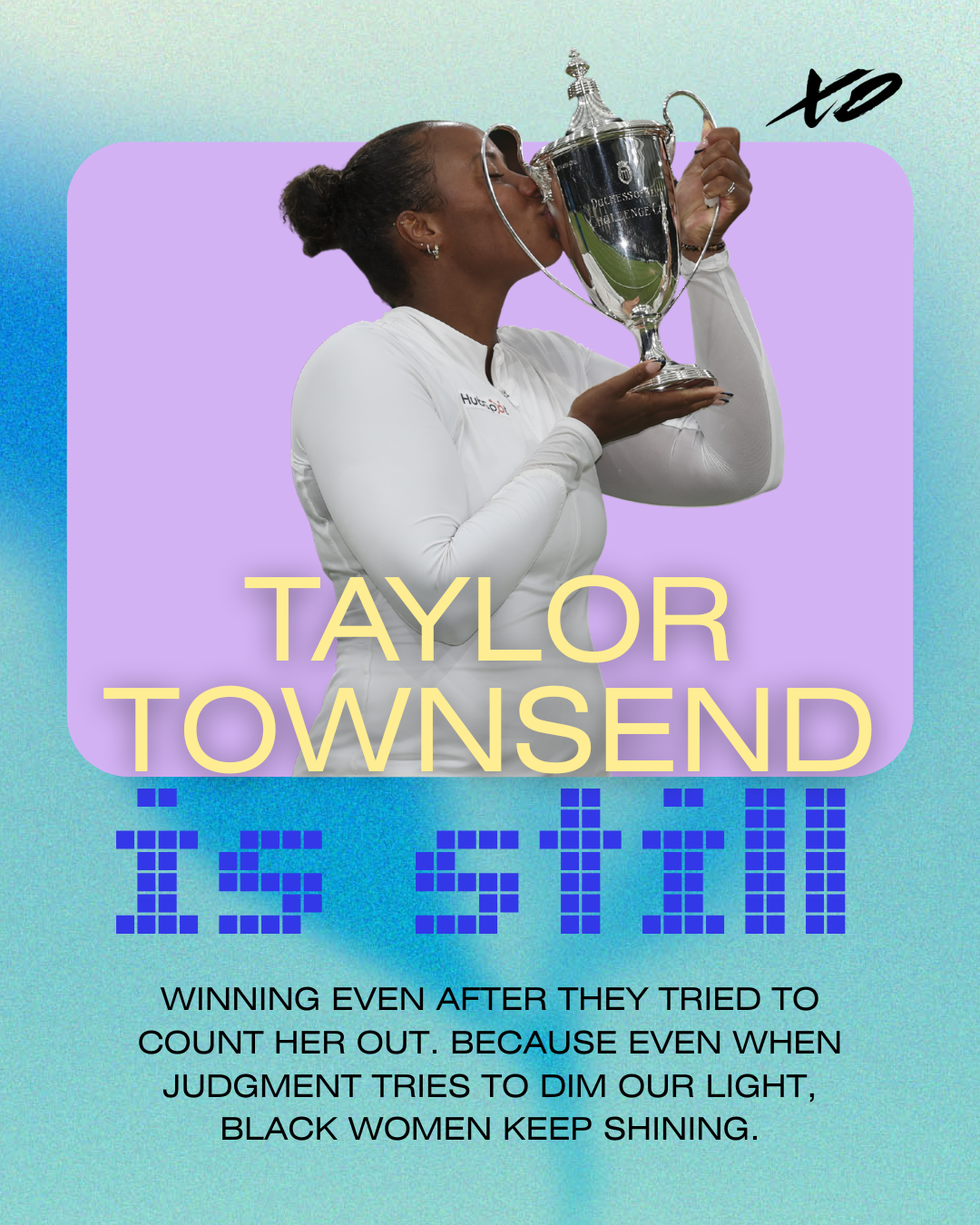
In sports, Angel Reese, Coco Gauff, and Taylor Townsend have been reminded that even excellence will not shield you from racism or judgment.
In business, visionaries like Diarrha N’Diaye-Mbaye and Melissa Butler are fighting to keep their dreams alive in an economy that too often forgets us first.
Even our icons, Beyoncé, Serena, and SZA, have faced criticism simply for evolving beyond the boxes society tried to keep them in.
From everyday women to cultural phenoms, the pattern is the same. Our light is being tested.
And yet, somehow, through it all, we are still showing up as that girl, and that deserves to be celebrated.
Because while the world debates our worth, we keep raising our value. And that proof is all around us.
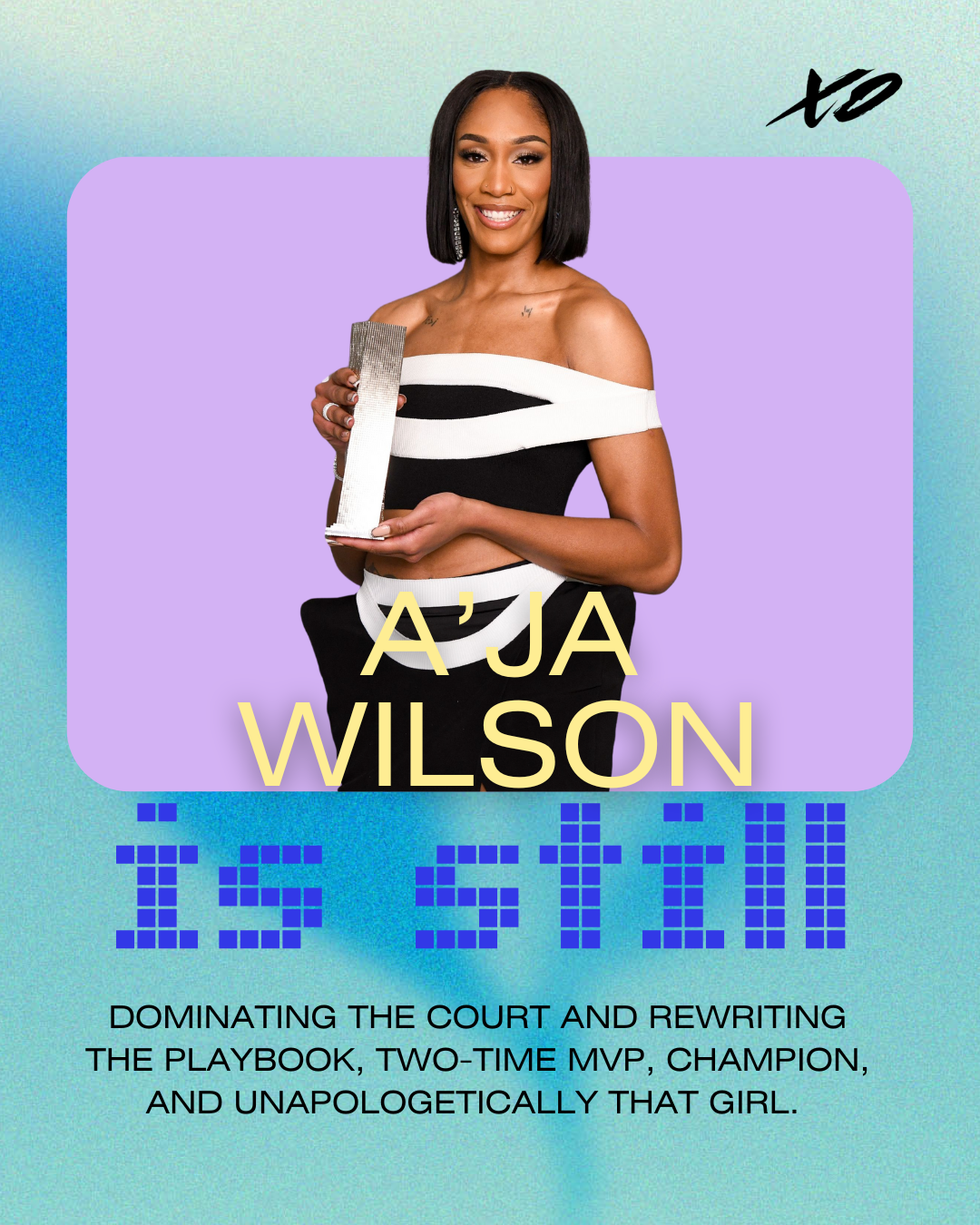
This year alone, Naomi Osaka returned from motherhood and mental health challenges to reach the semifinals of the US Open. A’ja Wilson claimed another MVP, reminding us that beauty and dominance can coexist. Brandy and Monica are snatching our edges on tour. Kahlana Barfield Brown sold out her new line in the face of a retailer that had been canceled. And Melissa Butler’s company, The Lip Bar, is projecting a forty percent surge in sales.
We are no longer defining strength by how much pain we can endure. We are defining it by the unbreakable light we continue to radiate.
We are the women walking our daily steps and also continuing to run solid businesses. We are growing in love, taking solo trips, laughing until it hurts, raising babies and ideas, drinking our green juice, and praying our peace back into existence.
We are rediscovering the joy of rest and realizing that softness is not weakness, it is strategy.
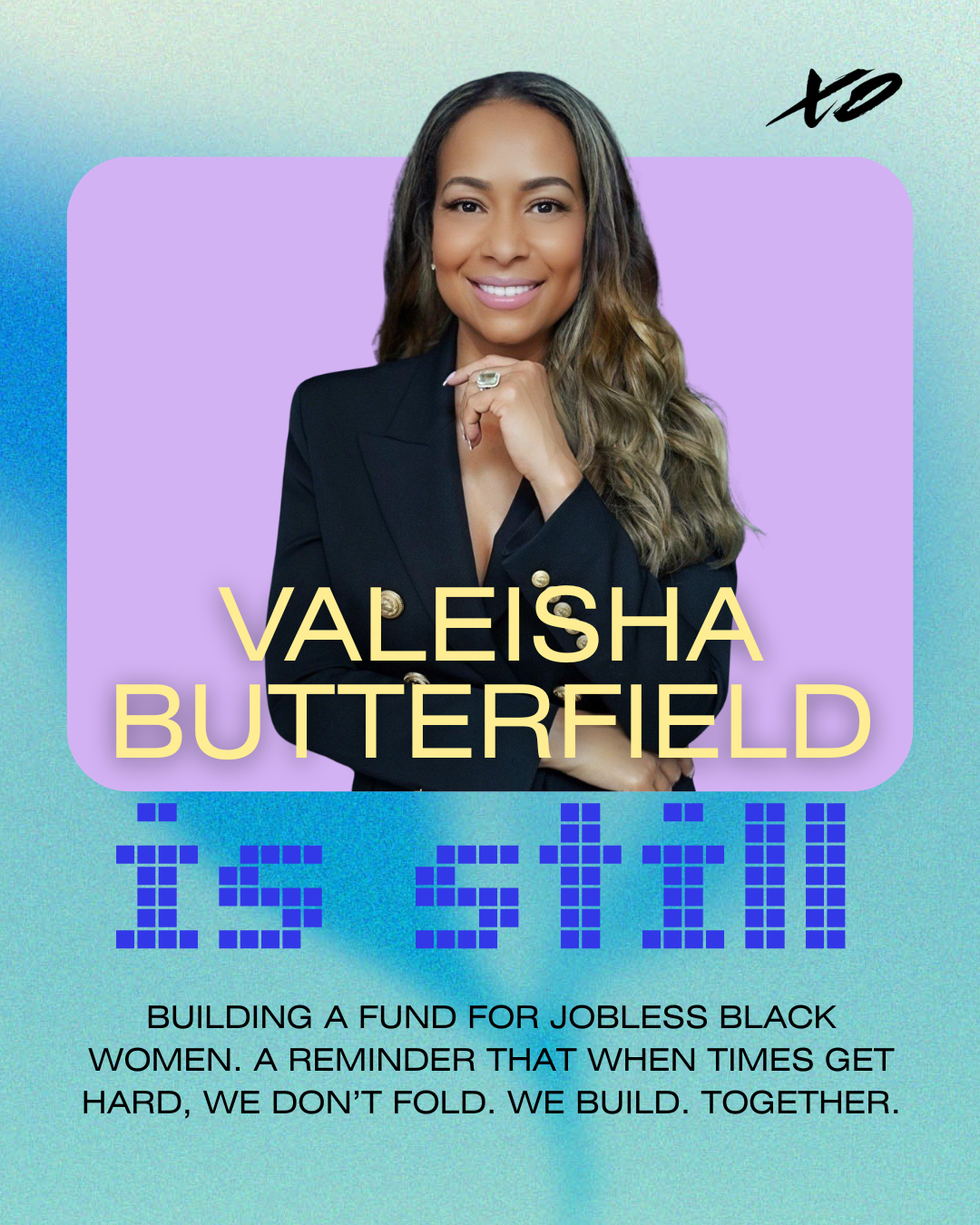
And through it all, we continue to lift one another. Emma Grede is creating seats at the table. Valeisha Butterfield has started a fund for jobless Black women. Arian Simone is leading in media with fearless conviction. We are pouring into each other in ways the world rarely sees but always feels.
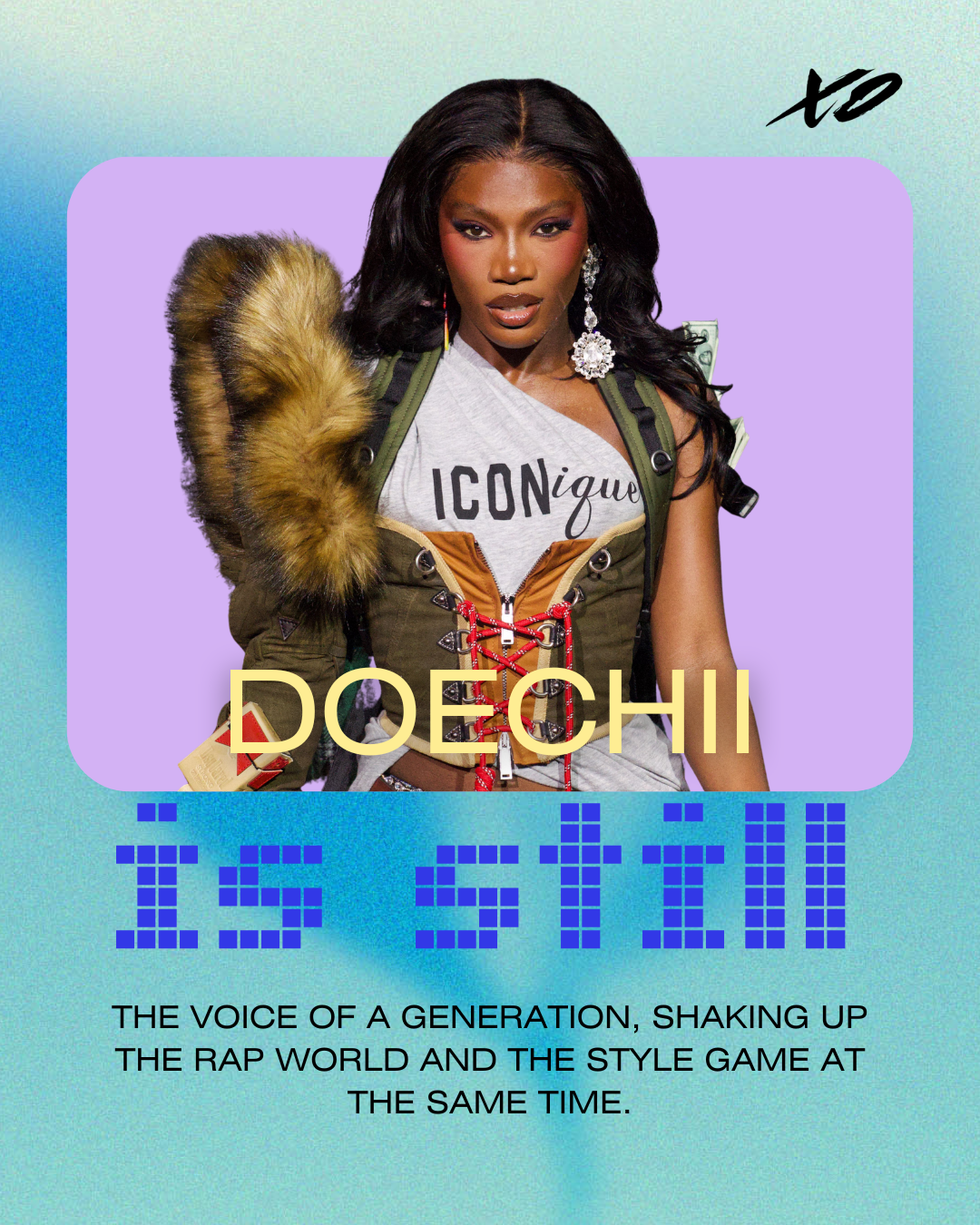
So yes, we are in the midst of societal warfare. Yes, we are being tested. Yes, we are facing economic strain, political targeting, and public scrutiny. But even war cannot dim a light that is divinely ours.
And we are still shining.
And we are still softening.
And we are still creating.
And we are still It.
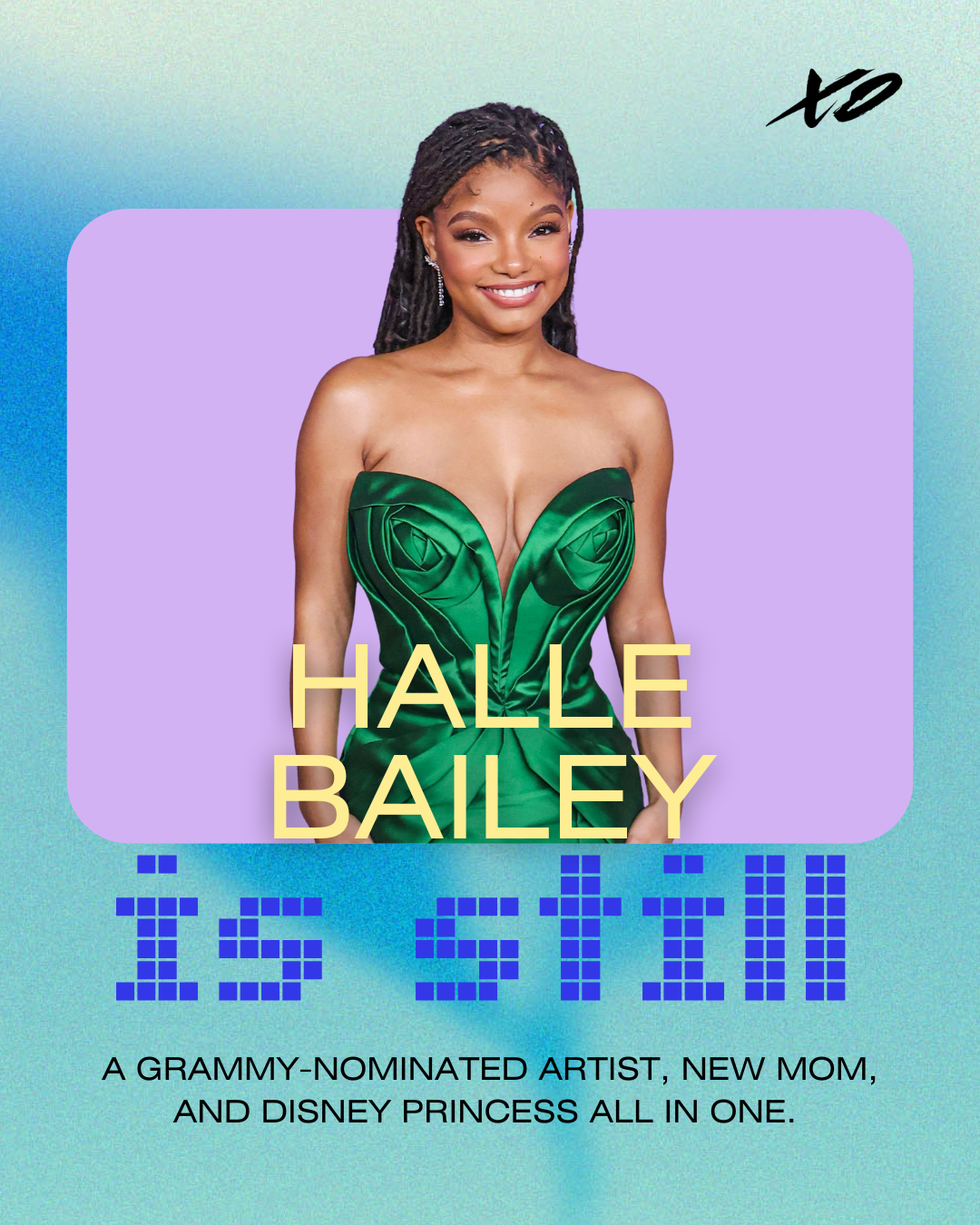
That is the quiet magic of Black womanhood, our ability to hold both truth and triumph in the same breath, to say yes, and to life’s contradictions.
It is no coincidence that this year, as SheaMoisture embraces the message “Yes, And,” they stand beside us as partners in celebrating this class of It Girls. Because that phrase, those two simple words, capture the very essence of this moment.
Yes, we are tired. And we are still rising.
Yes, we are questioned. And we are the answer.
Yes, we are bruised. And we are still beautiful.
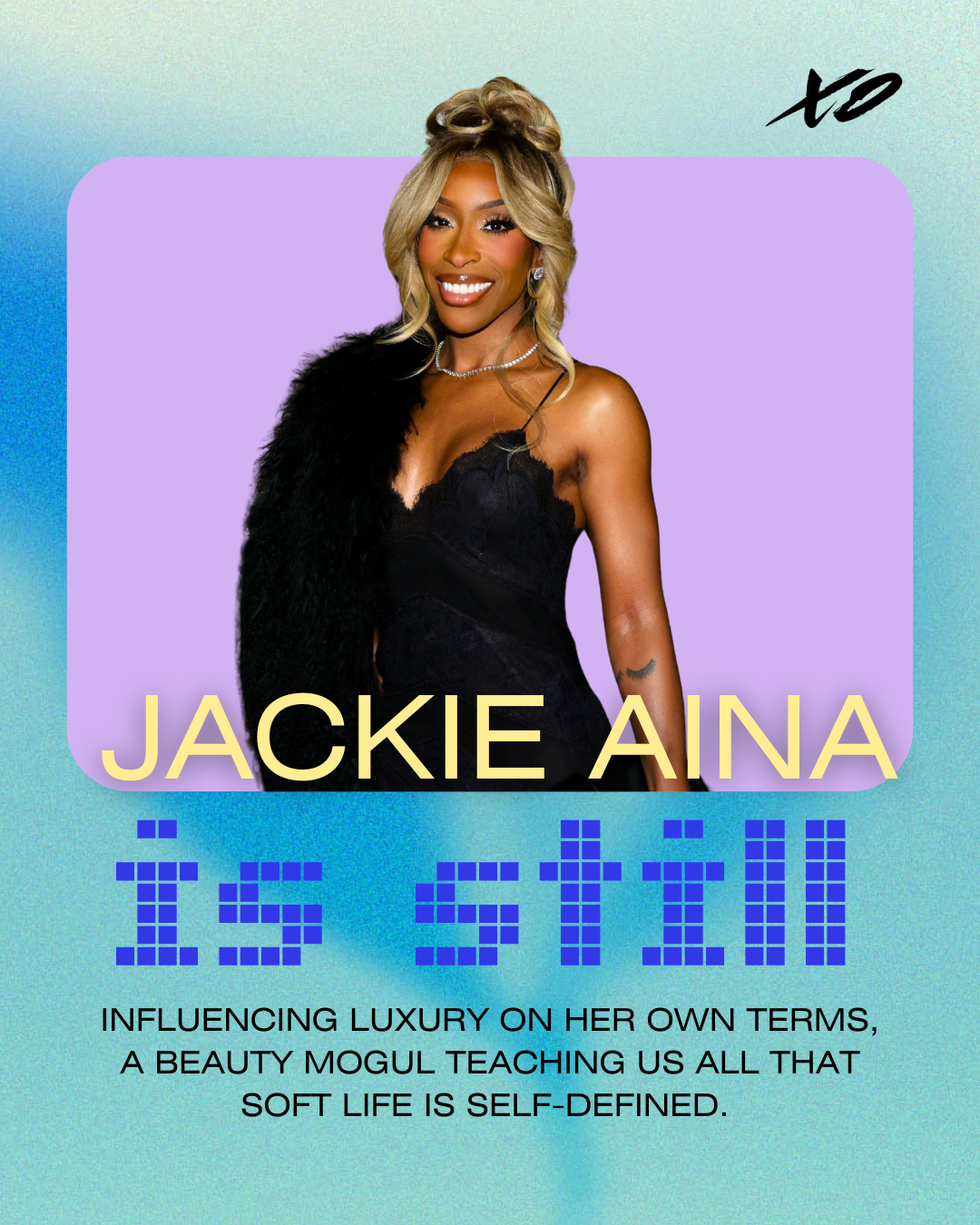
This year’s It Girl 100 is more than a list. It is a love letter to every Black woman who dares to live out loud in a world that would rather she whisper. This year’s class is living proof of “Yes, And,” women who are finding ways to thrive and to heal, to build and to rest, to lead and to love, all at once.
It is proof that our joy is not naive, our success not accidental. It is the reminder that our light has never needed permission.
So without further ado, we celebrate the It Girl 100 Class of 2025–2026.
We celebrate the millions of us who keep doing it with grace, grit, and glory.
Because despite it all, we still shine.
Because we are still her.
Because we are still IT, girl.
Meet all 100 women shaping culture in the It Girl 100 Class of 2025. View the complete list of honorees here.
Featured image by xoStaff
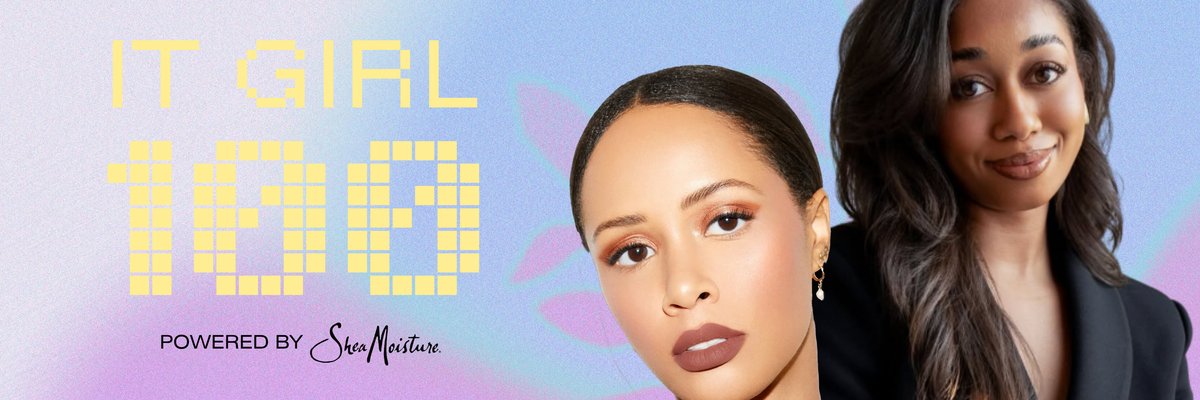
Despite launching media careers from different pathways, the two New York-based women have forged a friendship where they can discuss their ambitions and challenges.
Both women are part of xoNecole’s It Girl 100 Class of 2025, recognized in the Viral Voices category for the impact they’ve made through storytelling, creativity, and authenticity. Together, they represent what it means to build an "It Girl" brand with integrity and depth. In the spirit of SheaMoisture’s "Yes, And" ethos, Les and Kayla embody the freedom to be multi-layered as women evolving boldly into every version of themselves.
This conversation has been condensed and lightly edited for clarity
On Forging Their Own Paths
Les Alfred: Being a Jane of all trades is incredibly challenging. And one of the challenges I've faced is that the scope of what podcasters now need to do has increased so much. When I first interviewed you in 2019, I was still very new at it, but I remember being on a Skype call with you from my bedroom in Seattle. That was how I ran the show. And that was good enough. That is absolutely not good enough these days. The scope and the quality keeps increasing, but the resources that you have don't necessarily increase in order to remain competitive.
I get asked so many questions from people who want to get into podcasts and they want to get started. Most of the time, I'm just like, 'I don't have tips for you.' Because, one, I don't know what it's like to start in this current environment. Two, I know what it takes to contend and be consistent in this environment. The barrier of entry is a lot higher in terms of having something of quality than it was before.
On Balancing Ambition and Rest
Kayla Greaves: I've had to make a very clear effort to slow down and just not take on as much. Yes, you're running a business, but you're also living your life. I had one of those days yesterday. I just laid down and listened to white noise for hours because I just needed my brain to just be clear. I called a friend. I cried.
I'm starting over again today. The sun is out. It's a new day. And that's just sometimes what you have to do. You can't show up for your audience or for other people, if you can't show for yourself. I think that creativity comes from a place of living your life and having genuine experiences, and then sharing those experiences through your art.
"I had to give myself permission to let myself grow publicly in ways that I'd already done personally."
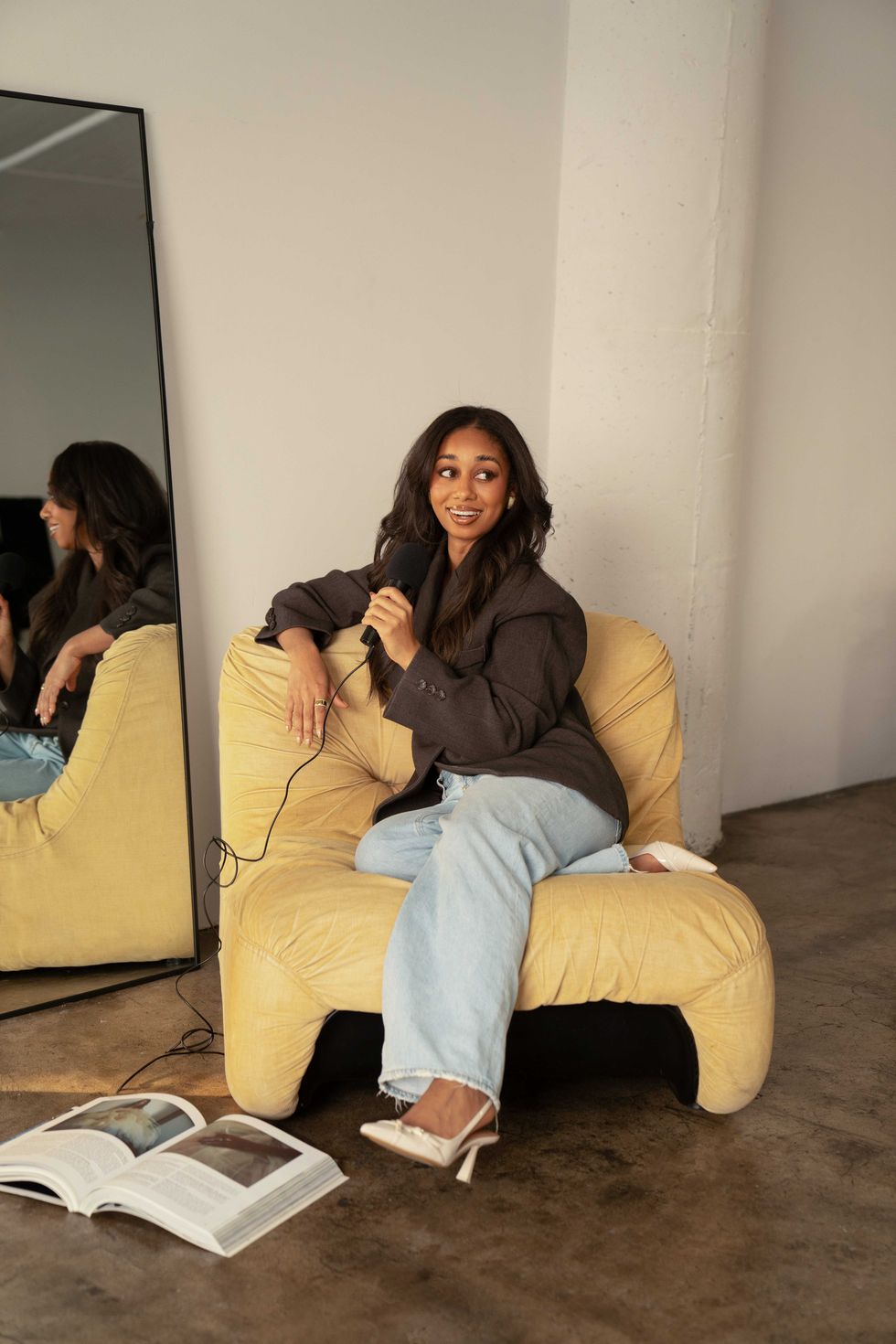
Courtesy
On Evolving Through Growth and Rebranding
Les: I didn't create Balanced Black Girl until 2018, but I started blogging and creating content and doing things under the Balanced brand in 2014. I was 24 years old at the time. Now, I'm 36. The things that were important to me, the perspective that I had and the stories I wanted to tell were entirely different. I think I had to give myself permission to let myself grow publicly in ways that I'd already done personally. The show isn't really about wellness anymore. And that shift started happening a couple of years ago.
When we started expanding into more lifestyle topics, more self-help topics [and] talking about entrepreneurship, the audience responded really well. That was when the show really started to grow and take off. And that was what got so much more engagement than the episodes back in 2020 when I was doing hour-long deep dives on gut health.
Rebranding the show was something I've been thinking about for a long time. When I was finally like, 'Oh, I need to do this,' honestly, was the 2024 presidential election. I was like, these people are about to be in here acting crazy. I do not feel safe with my business name being what it is. I don't want to be targeted for any BS. We saw what they did to the Fearless Fund.
"You have to balance your integrity with your income."
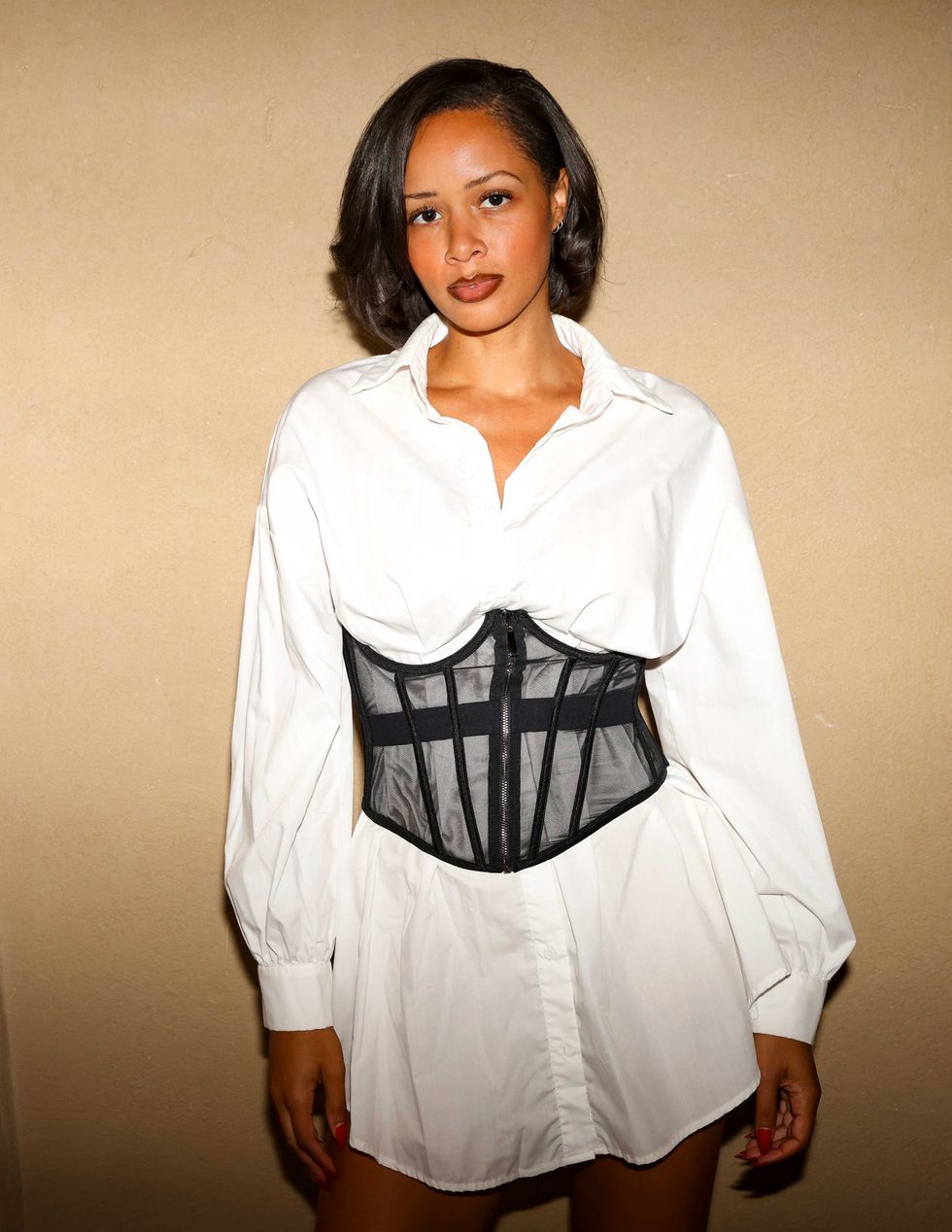
Courtesy
On Integrity Over Income
Kayla: I have many other interests aside from beauty. I'm growing and I'm changing as a person. I'm not the same person I was when I started at InStyle in 2019 before the pandemic rocked everybody's world. I don't think reviewing every single lipstick that comes out is exciting or interesting, because everybody does it now, and everybody feels like they're qualified to speak on things that they're not qualified to speak on. I'm currently in that pain point of growth.
I don't think I have always been in environments where I've been encouraged to branch out on my own ideas. I finished Ina Garten’s memoir maybe a month ago. She kept repeating this quote in her book. She said, ‘What goes in early, goes in deep.’ Now that I'm on my own and I don't have the resources of a traditional media company, which is what I have become accustomed to, sometimes it's difficult for me to be like, 'Okay, just go ahead with the thing.'
I think, Les, just the other day, you reposted somebody saying that they let go of a five-figure deal and then got double the next day because it just didn't feel aligned for them. Those are the things that happen. I have to find a balance of, 'Okay, how do I keep myself afloat?' And that may mean I may not be balling out of control just yet, but I'm okay for now. I can buy myself nice things every once in a while, but you have to balance your integrity with your income.
Les: There are just certain lines that I'm not willing to cross. Especially when I created more wellness content, one of those lines was I will not promote any sort of weight loss product. All of these GLP-1s all want to advertise on my podcast. I actually have nothing against those types of products, but I don't ever want someone to look at what I'm putting into the world and think that I'm saying that they need to feel a certain way about their bodies.
Even if the money is great, that's not for me to say, and that's not the type of message that I want to put out here. Or, I had another kind of brand deal come through that would have required me to divulge things about my personal life that I just don't really want my audience knowing about me, and bringing them along on journeys that I just find personal and I want to keep offline. I don’t want to be known for dragging my mess all over the internet for a buck.
I don't want to be known for being an influencer. I would love to be 1,000% in on my podcast, scale it, have it grow to be a media empire where I'm producing and putting out other bodies of work. For now, until that other side of the business really picks up and gets to the point where I want it to be, I kind of need to play the influencer game a little bit to live in this expensive city. But I'm gonna do it on my terms. It's a constant compromise that I'm coming to with myself.
"You can never make a big vision come to fruition if you're sitting and you're waiting for somebody else to tell you exactly what to do."
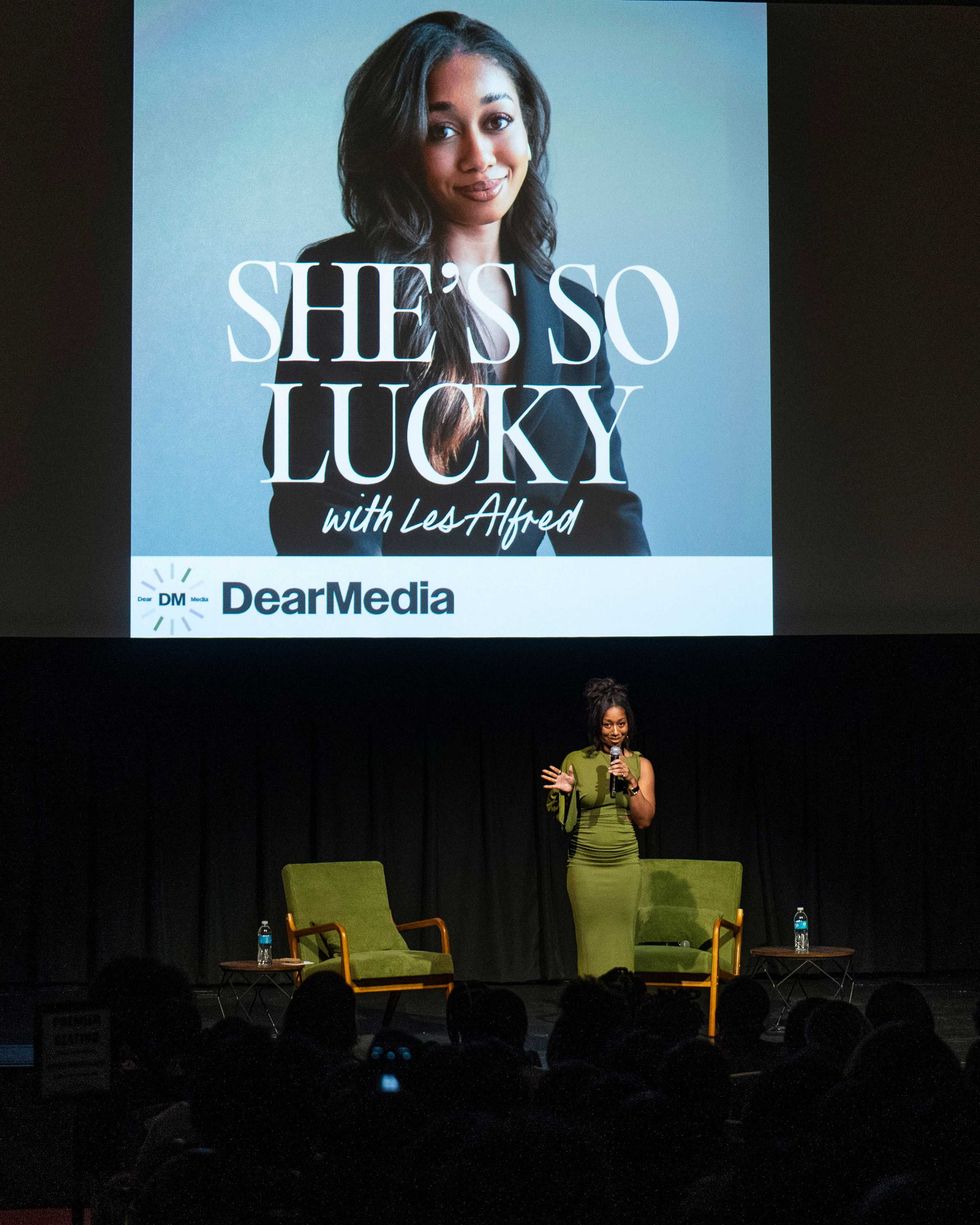
Courtesy
On Mutual Admiration and Friendship
Les: Something that I really admire about you in having known you for the past couple of years is you don't wait for a roadmap. You jump in, you roll up your sleeves, and you do it. You can never make a big vision come to fruition if you're sitting and you're waiting for somebody else to tell you exactly what to do.
Kayla: Well, first of all, I want to say thank you for saying that, because that means so much to me, and it's very affirming. That's exactly how I feel about you. I remember, even at your first live show, you're like, ‘Oh my god, I'm so stressed. I don't know what I'm doing.’ And, the shit sold out. And, you know, and now, like, you see the growth of the podcast. And you have nearly 61,000 subscribers on YouTube. I just checked recently.
I talk a lot about people that really just need to not say anything on the internet, because it's so frustrating as somebody who grew up as a traditional journalist. You want people to fact check and ask thoughtful questions and have good conversations. I've never said that about you. I've always loved your podcast. And I've sent a lot of your episodes to friends when they're going through specific things that you're talking about.
This season has been a little bit slower to me, so you've been a constant source of inspiration, and it's just been such a pleasure to see your podcast grow despite the challenges you've had. I know it's not easy, but you continue to grow and continue to push through, and I really admire that as somebody who sat and cried yesterday and listened to white noise.
And this is why I tell you all the time, you really do inspire me. I love you a lot.
Les: Oh my gosh, I love you a lot. I'm so glad that the podcast brought us together.
Tap into the full It Girl 100 Class of 2025 and meet all the women changing game this year and beyond. See the full list here.
Featured image courtesy