




Kendrick Lamar is opening up about masculinity and vulnerability. The Pulitzer Prize-winning rapper sat down with former labelmate SZA for Harper's Baazar, and they discussed Kendrick's spiritual practices, self-transformation, and more.
The Compton artist is known for keeping his personal life private but uses his music as an outlet that gives insight into his childhood, family life, and inner thoughts.
Here are some of the highlights:
Kendrick on his spiritual practices:
"Ain’t no bullshit. Ain’t no cliché. But I literally talk to God. Like, it’s to a point where I’ll be starting to think I’m going crazy. But then He has to remind me, 'No, this is really me.'
"My early-morning practice is that I have to run. When I started running, that’s where I started to understand. There was this threshold of pain in the spirituality for me. I remember my shins was aching and I was like, I got one mile to go. Then I get whispers and downloads and start talking about shit that I want to know about. And next thing I’m three miles in, four miles in. I wake up and do that shit every day."

Kendrick Lamar
Photo by Samir Hussein/WireImage
Kendrick on his top three keys to self-transformation:
"The power of honesty and being honest with myself, perspective about the person sitting across from me, and learning that vulnerability is not a weakness. That last one probably been one I’m still developing."
Kendrick on vulnerability and childhood
"We talk about our childhood. I hate going back to that. It’s traumatizing. My pops, he was tough. He was militant, as far as every day you are expected to go to work, take care of your family, get back up to do it all over again. Being-a-man type shit, right? And he never showed no weakness. He never showed any emotion that could garner a one-up from the person sitting across from him. And I learned to experience that, not knowing I had them same traits, right?
"But for what I do, there is certainly no growth without vulnerability. If I understood the power of vulnerability earlier, I could have had more depth and more reach to the guys that was around me in the neighborhood coming up.
"You know, our parents, they never had these outlets to express themselves the way they wanted to. I’ve always looked at us as somewhat of a beacon of hope [for them]."

Kendrick Lamar
Photo by Pierre Suu/Getty Images
Kendrick on balancing his masculine and feminine energy:
"I have to balance both. At first, all I knew was the masculinity, and I always kept that wall up because of my pops.
"But the more I delve deeper into my music and the more expressive I get with myself … that is the feminine energy right there. That’s not the bravado that I grew up seeing all the time. This is who I am, the soft-spoken me, and I have to own it.
"This is where my superpower lies. Because if my job is to communicate, I need to be able to communicate with everyone. I need to be able to sit in front of SZA and talk to you in a way where you feel comfortable, in a way where it feels authentic from me to you, you to me, and I can’t do that with a wall up. I can’t do that with my full masculinity."
Kendrick on anger:
"I don’t believe I’m an angry person. But I do believe in love and war, and I believe they both need to exist. And my awareness of that allows me to react to things but not identify with them as who I am. Just allowing them to exist and allowing them to flow through me. That’s what I believe."
Let’s make things inbox official! Sign up for the xoNecole newsletter for love, wellness, career, and exclusive content delivered straight to your inbox.
Feature image by Arturo Holmes/MG23/Getty Images for The Met Museum/Vogue
RELATED






So, we handpicked one hundred It Girls who embody that palpable It Factor moving through us as young Black women, the kind of motion lighting up the world both IRL and across the internet.
It Girl 100 became xoNecole’s most successful program, with the hashtag organically reaching more than forty million impressions on Instagram in just twenty-four hours. Yes, it caught on like wildfire because we celebrated some of the most brilliant and influential GenZennial women of color setting trends and shaping culture. But more than that, it resonated because the women we celebrated felt seen.
Many were already known in their industries for keeping this generation fly and lit, but rarely received recognition or flowers. It Girl 100 became a safe space to be uplifted, and for us as Black women to bask in what felt like an era of our brilliance, beauty, and boundless influence on full display.
And then, almost overnight, it was as if the rug was pulled from under us as Black women, as the It Girls of the world.
Our much-needed, much-deserved season of ease and soft living quickly metamorphosed into a time of self-preservation and survival. Our motion and economic progression seemed strategically slowed, our light under siege.
The air feels heavier now. The headlines colder. Our Black girl magic is being picked apart and politicized for simply existing.
With that climate shift, as we prepare to launch our second annual It Girl 100 honoree list, our team has had to dig deep on the purpose and intention behind this year’s list. Knowing the spirit of It Girl 100 is about motion, sauce, strides, and progression, how do we celebrate amid uncertainty and collective grief when the juice feels like it is being squeezed out of us?
As we wrestled with that question, we were reminded that this tension isn’t new. Black women have always had to find joy in the midst of struggle, to create light even in the darkest corners. We have carried the weight of scrutiny for generations, expected to be strong, to serve, to smile through the sting. But this moment feels different. It feels deeply personal.
We are living at the intersection of liberation and backlash. We are learning to take off our capes, to say no when we are tired, to embrace softness without apology.
And somehow, the world has found new ways to punish us for it.
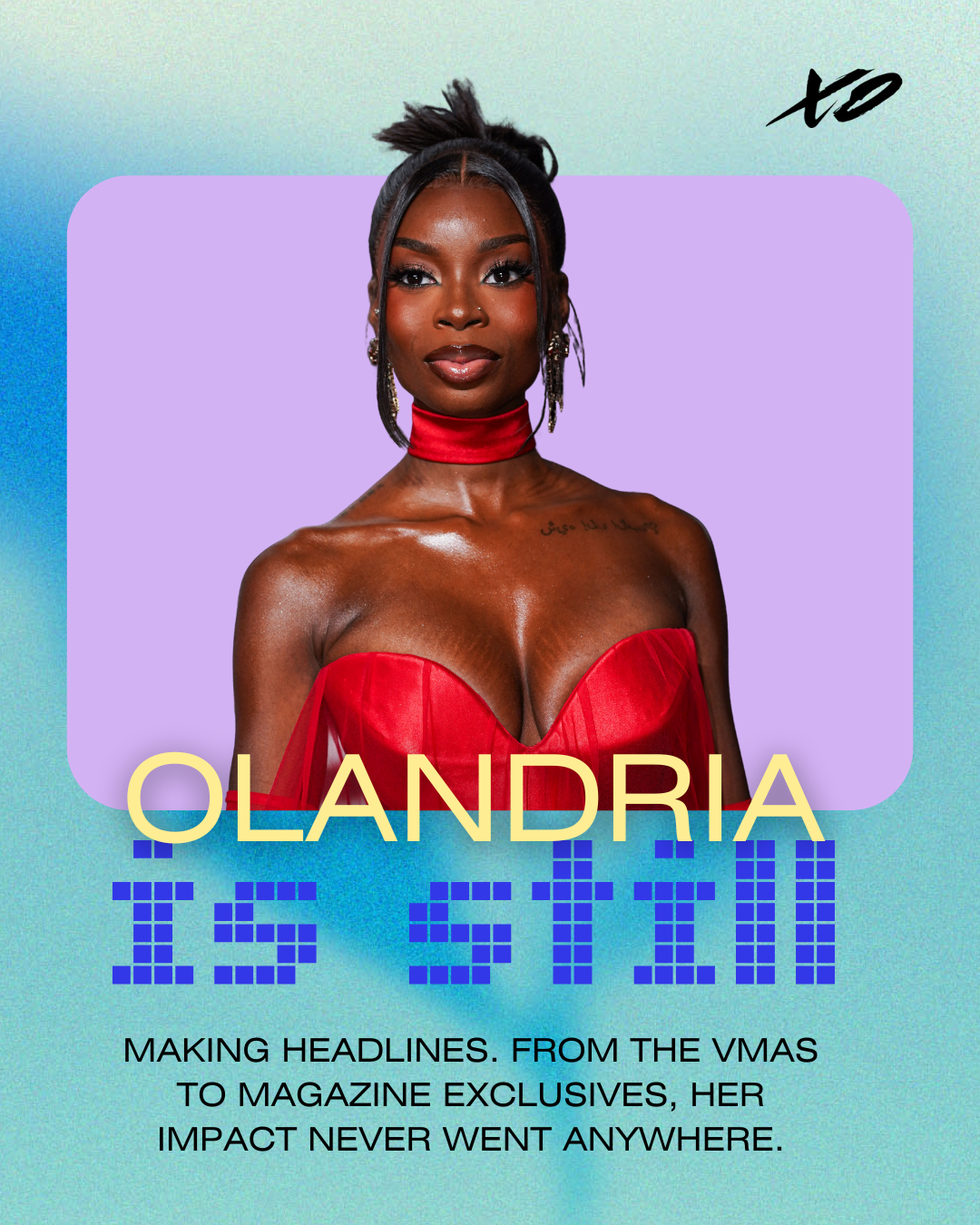
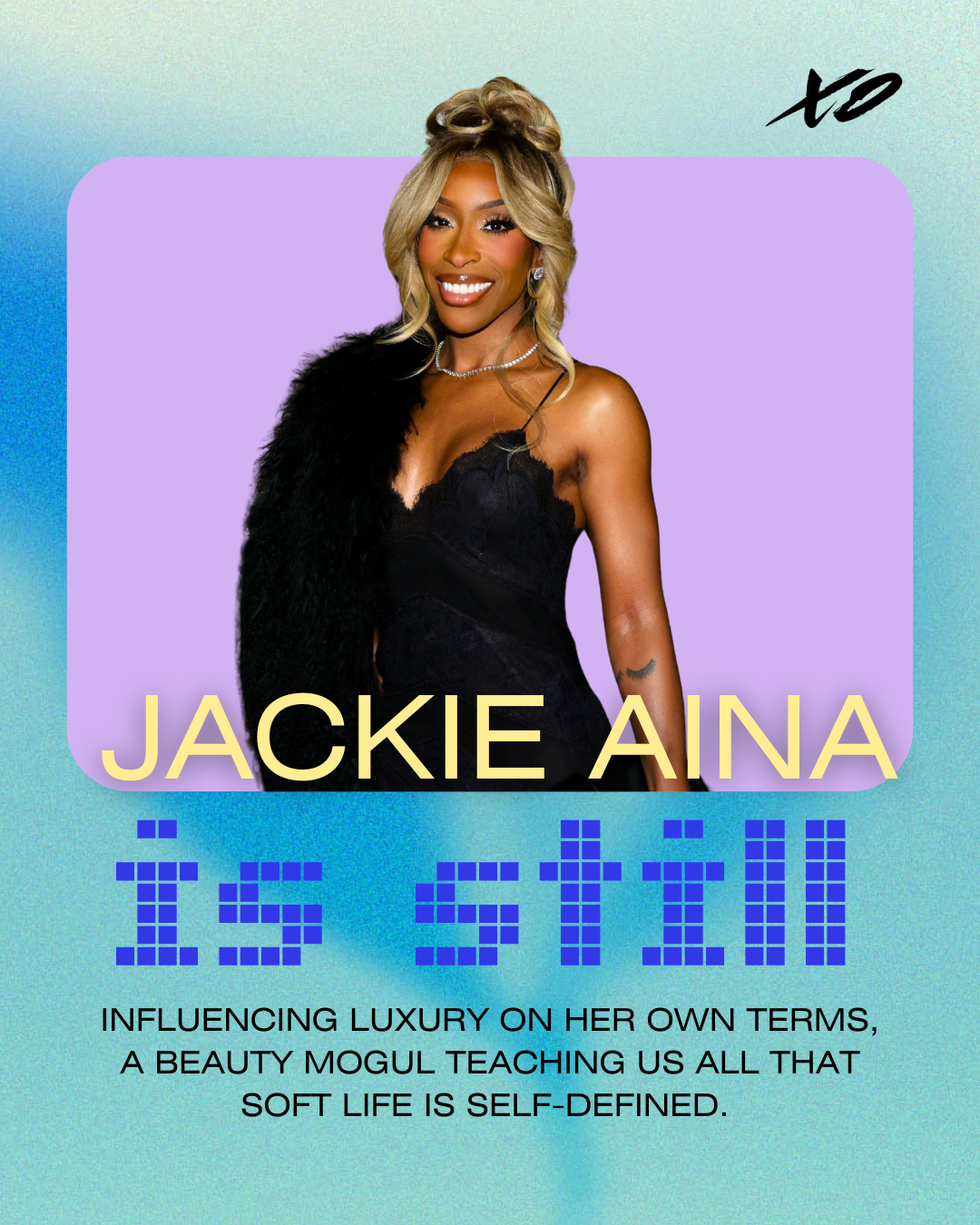
In lifestyle, women like Kayla Nicole and Ayesha Curry have been ridiculed for daring to choose themselves. Tracee Ellis Ross was labeled bitter for speaking her truth about love. Meghan Markle, still, cannot breathe without critique.
In politics, Kamala Harris, Letitia James, and Jasmine Crockett are dragged through the mud for standing tall in rooms not built for them.
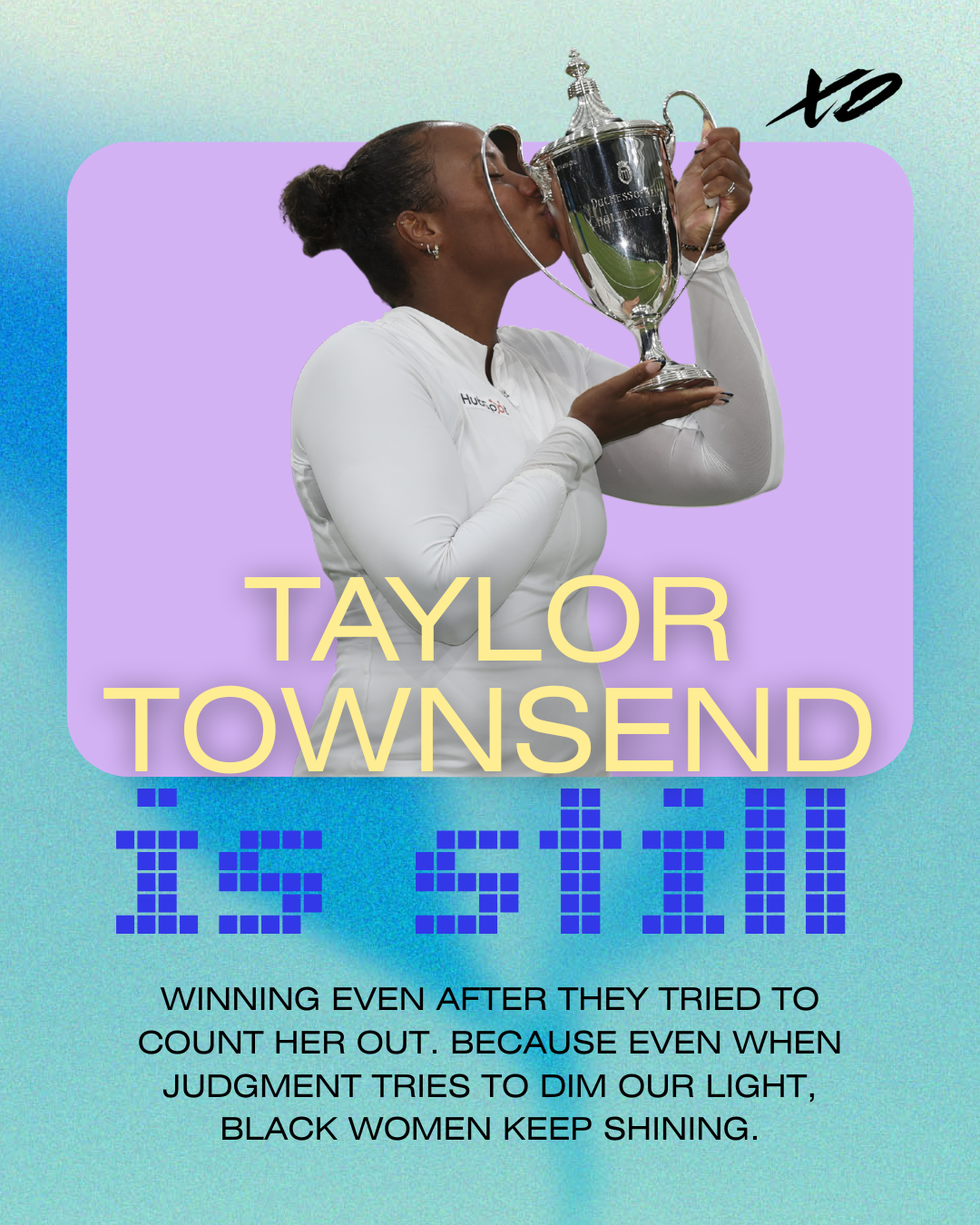
In sports, Angel Reese, Coco Gauff, and Taylor Townsend have been reminded that even excellence will not shield you from racism or judgment.
In business, visionaries like Diarrha N’Diaye-Mbaye and Melissa Butler are fighting to keep their dreams alive in an economy that too often forgets us first.
Even our icons, Beyoncé, Serena, and SZA, have faced criticism simply for evolving beyond the boxes society tried to keep them in.
From everyday women to cultural phenoms, the pattern is the same. Our light is being tested.
And yet, somehow, through it all, we are still showing up as that girl, and that deserves to be celebrated.
Because while the world debates our worth, we keep raising our value. And that proof is all around us.
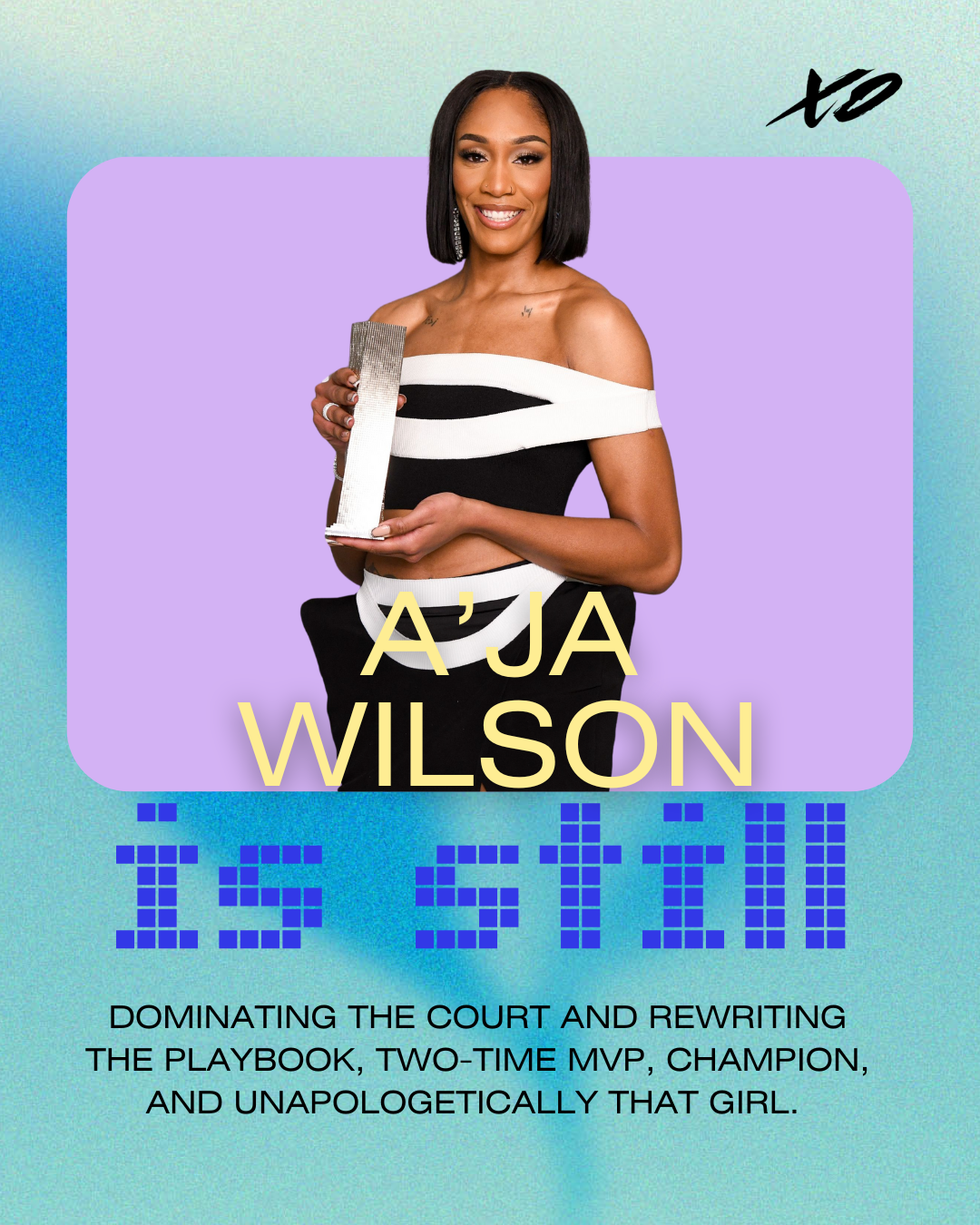
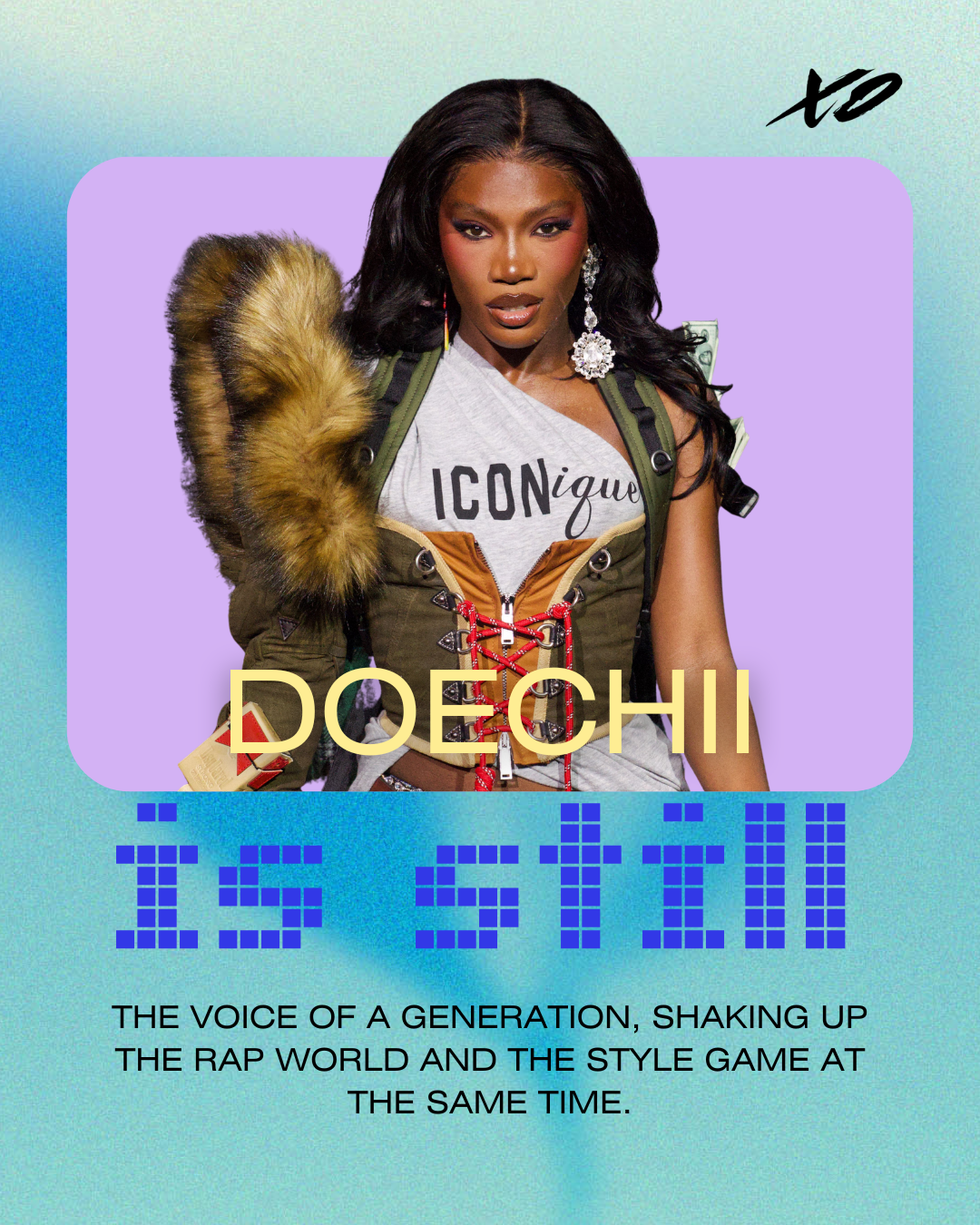
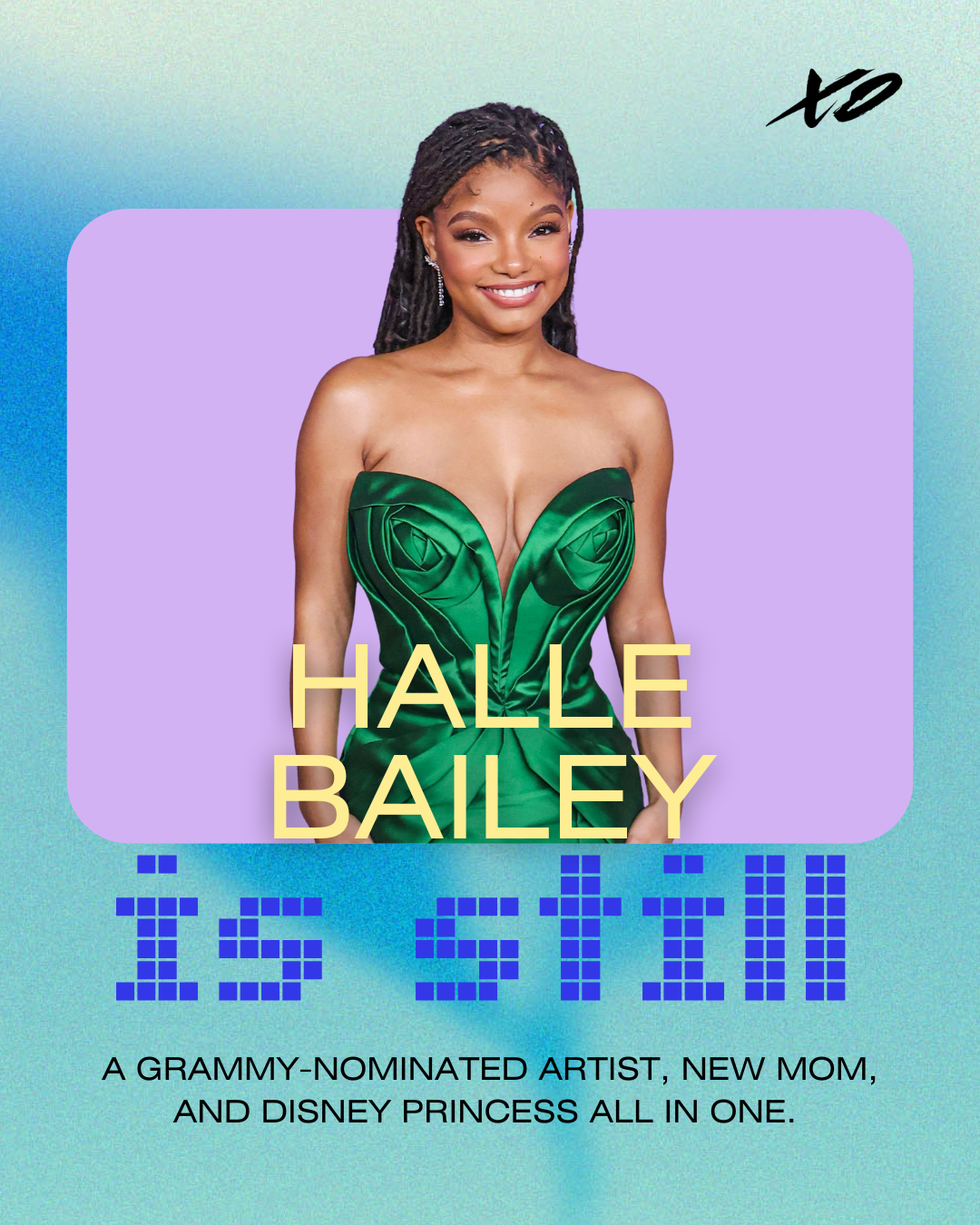
This year alone, Naomi Osaka returned from motherhood and mental health challenges to reach the semifinals of the US Open. A’ja Wilson claimed another MVP, reminding us that beauty and dominance can coexist. Brandy and Monica are snatching our edges on tour. Kahlana Barfield Brown sold out her new line in the face of a retailer that had been canceled. And Melissa Butler’s company, The Lip Bar, is projecting a forty percent surge in sales.
We are no longer defining strength by how much pain we can endure. We are defining it by the unbreakable light we continue to radiate.
We are the women walking our daily steps and also continuing to run solid businesses. We are growing in love, taking solo trips, laughing until it hurts, raising babies and ideas, drinking our green juice, and praying our peace back into existence.
We are rediscovering the joy of rest and realizing that softness is not weakness, it is strategy.
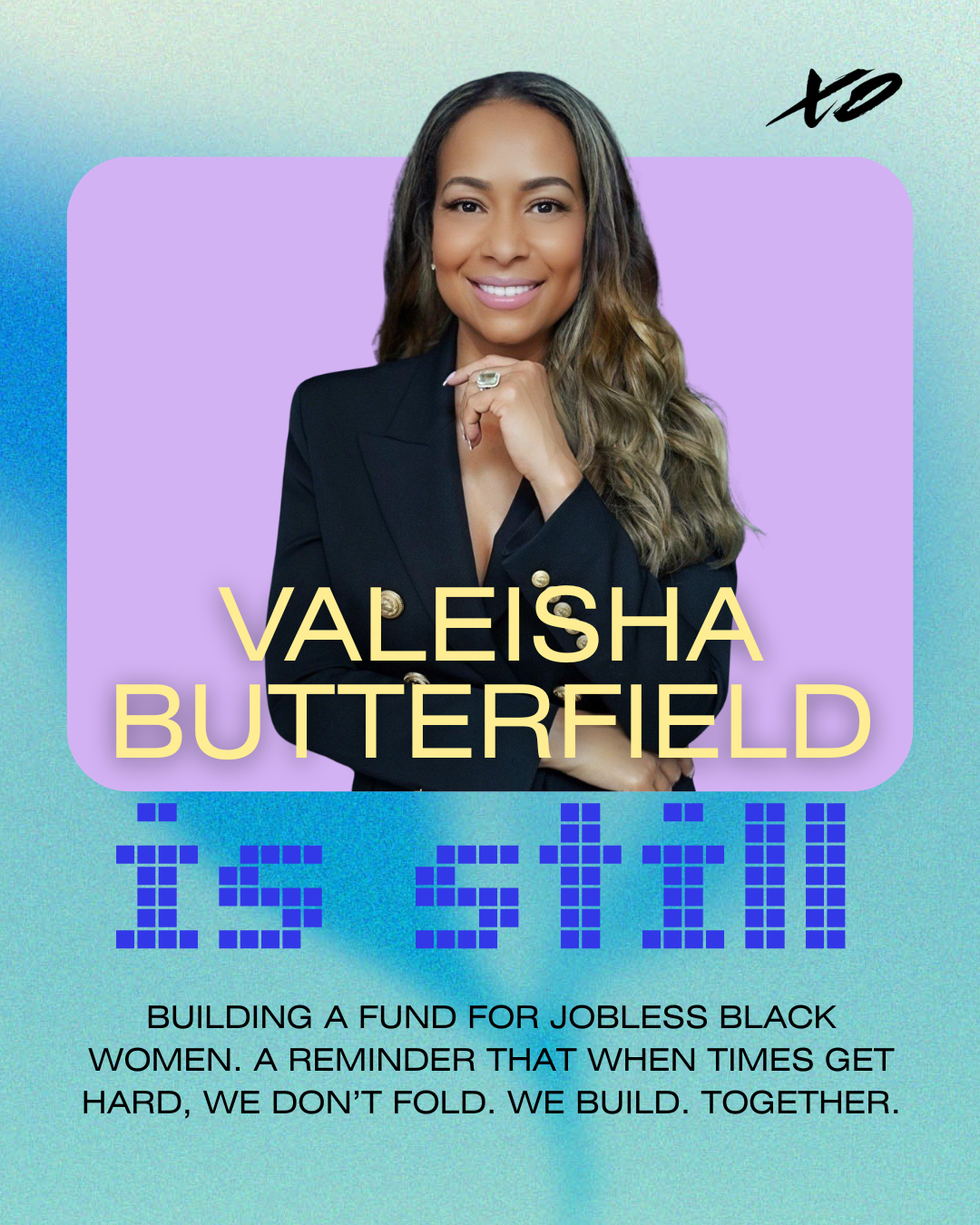
And through it all, we continue to lift one another. Emma Grede is creating seats at the table. Valeisha Butterfield has started a fund for jobless Black women. Arian Simone is leading in media with fearless conviction. We are pouring into each other in ways the world rarely sees but always feels.
So yes, we are in the midst of societal warfare. Yes, we are being tested. Yes, we are facing economic strain, political targeting, and public scrutiny. But even war cannot dim a light that is divinely ours.
And we are still shining.
And we are still softening.
And we are still creating.
And we are still It.
That is the quiet magic of Black womanhood, our ability to hold both truth and triumph in the same breath, to say yes, and to life’s contradictions.
It is no coincidence that this year, as SheaMoisture embraces the message “Yes, And,” they stand beside us as partners in celebrating this class of It Girls. Because that phrase, those two simple words, capture the very essence of this moment.
Yes, we are tired. And we are still rising.
Yes, we are questioned. And we are the answer.
Yes, we are bruised. And we are still beautiful.
This year’s It Girl 100 is more than a list. It is a love letter to every Black woman who dares to live out loud in a world that would rather she whisper. This year’s class is living proof of “Yes, And,” women who are finding ways to thrive and to heal, to build and to rest, to lead and to love, all at once.
It is proof that our joy is not naive, our success not accidental. It is the reminder that our light has never needed permission.
So without further ado, we celebrate the It Girl 100 Class of 2025–2026.
We celebrate the millions of us who keep doing it with grace, grit, and glory.
Because despite it all, we still shine.
Because we are still her.
Because we are still IT, girl.
Meet all 100 women shaping culture in the It Girl 100 Class of 2025. View the complete list of honorees here.
Featured image by xoStaff

Apparently, there was a Thanksgiving episode that featured all of the friends having dinner together. And y’all, there was simply no way that I was going to mention the latter without shouting out the original (amen?).
Okay, so with that out of the way — Friendsgiving. Something that I appreciate about twists to holidays like this is that it’s a reminder that there is no one way to celebrate special occasions. And so, if, for whatever the reason, you will not or cannot be with family during the holiday season, there are certainly other alternatives at your disposal.
That being said, if the thought of spending time with friends this Thanksgiving is something that you’d like to do, yet you’re not sure how to host it in a way that will make Friendsgiving a fan favorite for your entire circle — I’ve got 10 suggestions that can make the planning process easy as pumpkin (or sweet potato) pie.
1. Position Chrysanthemums or Orchids for Your Table Décor
Unsplash
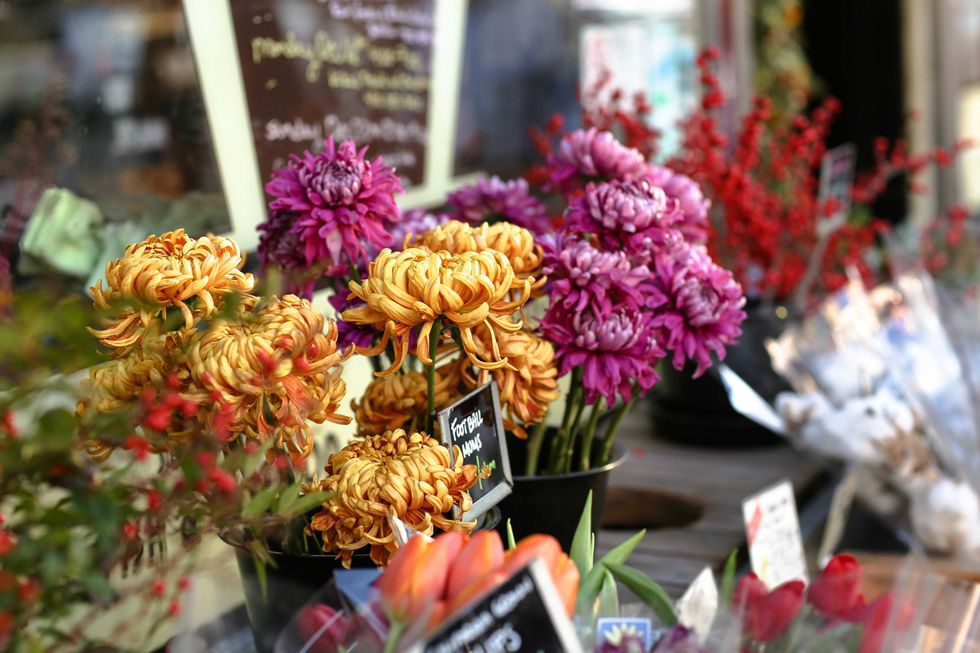
Let’s start with décor first. Listen, aside from cleaning up your place, you don’t have to be over the top. If you put together a really nice centerpiece or put a flower at each table setting, honestly, you’re all good. And if you’re someone who is big on details and symbolism, my recommendation would be to go with some chrysanthemums and/or orchids.
When it comes to chrysanthemums, not only are they a peak fall flower, they represent things like friendship and happiness. And orchids? They tend to bloom during the fall and spring seasons and, not only are they about luxury, certain orchid colors also symbolize friendship (for the record, yellow roses symbolize friendship too). Perfect.
2. Incorporate Scents That Cultivate Gratitude
Speaking of cultivating a warm and inviting space, you can never go wrong with scented soy candles — or at least having an essential oil diffuser in a few spots. Some scents that actually help to bring in the spirit of gratitude include vanilla, jasmine, ginger, cedarwood and frankincense.
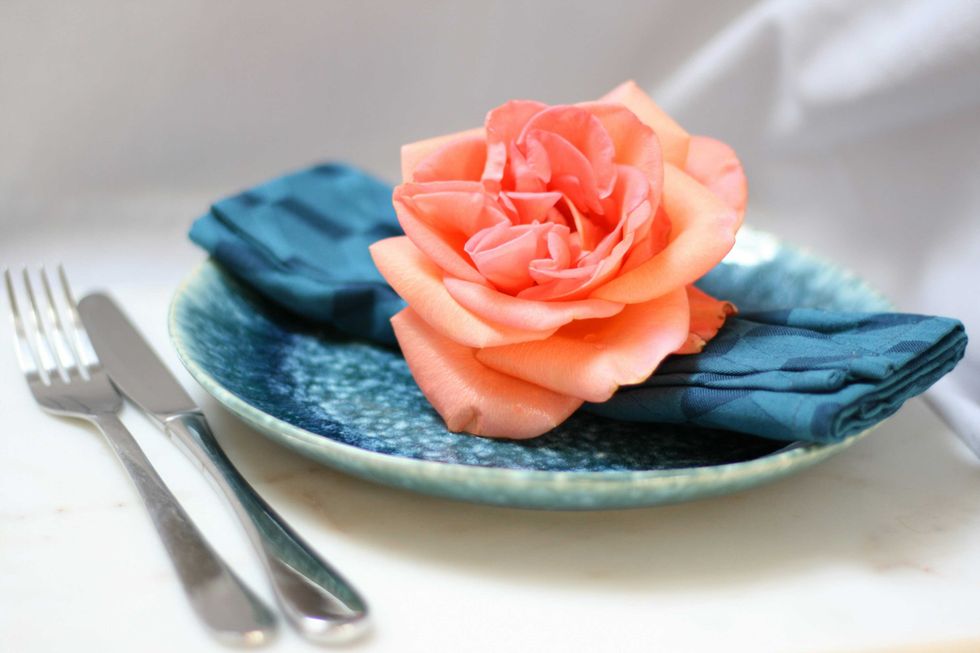
3. Use Upscale Paper Products to Dine With
Unsplash
Let’s be real — a lot more of us would probably host events in our home if it wasn’t for the mess that is left behind in our kitchen once the festivities are over. Wanna avoid that? Use paper plates. No, I don’t mean the cheap Styrofoam ones. SMDH. These days, there are paper (and plastic) plate brands that will low-key blow your mind when it comes to how bougie they look. Some that are worth considering are located here, here and here.
4. Handwrite Thank-You Notes (Use Them As Place Settings)
If you’re like Tiffany (from the HBO series Insecure — what a time) was at that memorable dinner party when all hell broke loose between Lawrence and Issa and you’re pretty anal — I mean, particular — LOL — about place settings, it’s a nice touch to pick up some blank thank-you cards that you can write a personalized “I’m thankful for you because…” message in. Place each one where you’d like each friend to sit. They won’t see it coming and it’s a really nice touch.
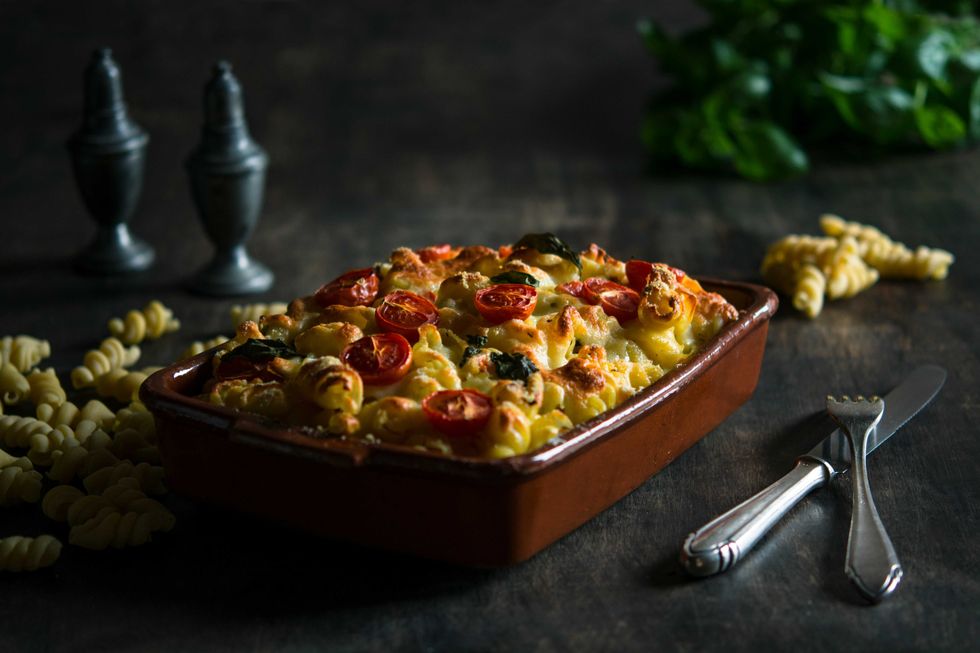
5. Have Everyone Bring Their Favorite Homemade Dish
Unsplash
Okay, and what if what has you on the fence about hosting is you don’t feel like doing a ton of cooking? Chile, this is where the concept of having a potluck comes in. Get everyone to bring the dish that they claim they cook the best and make sure to let them know how many individuals you plan on coming (so that they will make enough). You can even make a game out of it by having everyone anonymously vote for the first, second and third best dishes out of the bunch. Take it up a notch by having a prize for each winner.
6. Take a Warm Drink and Dessert Poll Beforehand
You know what isn’t discussed enough about dinner parties? Folks bringing desserts that other people don’t even like. SMDH. You can avoid this from becoming an issue at your Friendsgiving by sending an email (most people prefer that to group chats; let’s be real — and make sure to BCC everyone as well) asking everyone to share what their top three favorite desserts and warm drinks are. Then pick the top 2-3 out of the bunch. That way, you won’t have a ton of (for instance) coffee cake or apple cider lying around that no one even wanted in the first place.
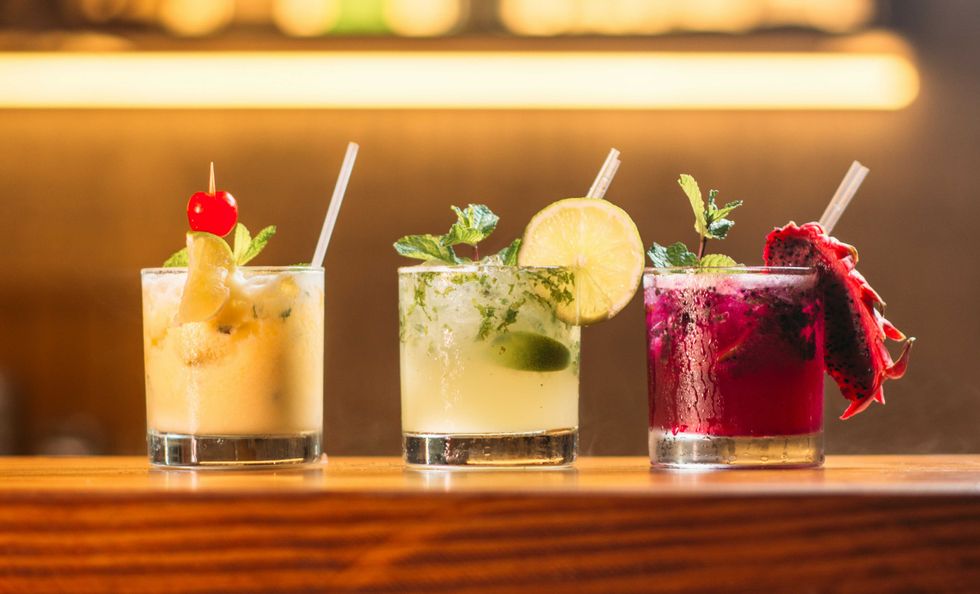
7. Create a Signature Friendsgiving Mocktail and Cocktail
Unsplash
Speaking of drinks, another way to make your Friendsgiving memorable is to come up with a signature mocktail (for those who don’t consume alcohol) and cocktail. For the mocktail, you can also poll your friends about their favorite mocktail or fruits and come up with a mixture of your own. For the cocktail — although National Friendship Day is actually in August, I did peep that there are certain drinks that have been created in its honor. Some of them are located here for you to do a bit of tweaking on (if you’d like).
8. Ask Everyone to Share Their “Favorite Friend Quality” of Another
You know how it’s customary for everyone to go around and share what they are truly thankful for before having dinner? Well, to continue along with the Friendsgiving theme, have each person share what their favorite friend quality is about the person to their right. If folks are just meeting each other for the first time, instead they can share what they value the most in friendship overall, along with a story of how it was displayed to them personally over the past 12 months.
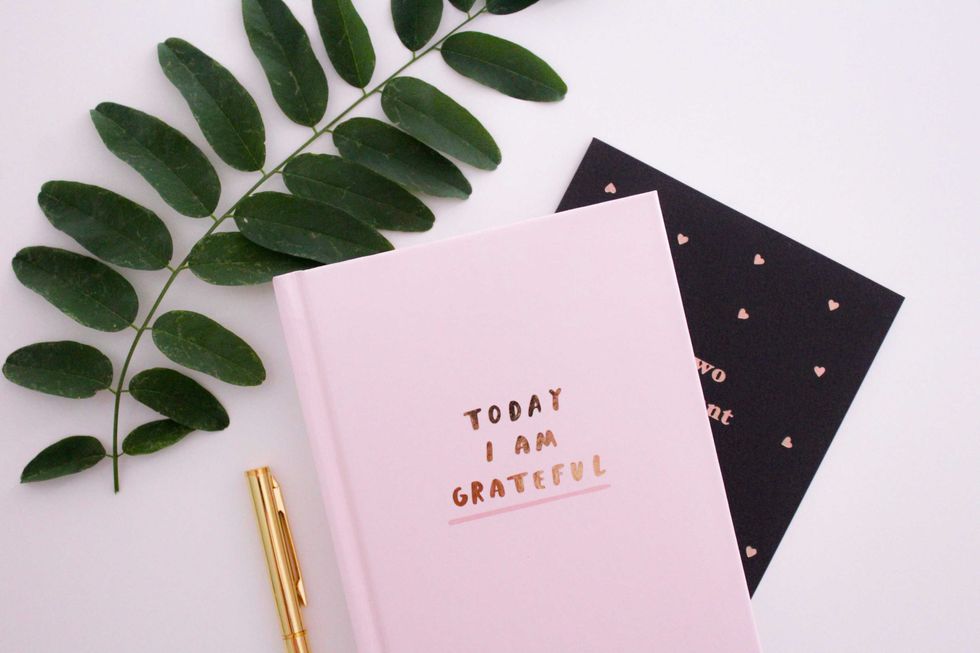
9. Send Each of Your Guests Home with a Fresh Gratitude Journal
Unsplash
Wanna send folks home with a nice parting gift? It would be so on-trend to give each of them a gratitude journal. Listen, we are in some crazy times right through here (at least in the States) and so, encouraging your friends to set some time aside, regularly, to think about and then outwardly express what they are grateful for? That helps to keep stress down, keep things in perspective and it reminds us all to maintain a positive mindset as much as possible.
10. Watch a Nostalgic Movie
While everyone is enjoying dessert and drinks, how about watching a movie that brings back fond memories? A list of some of the most popular movies to come out previous Thanksgiving weekends is located here and a list of some favorite Black holiday-themed films can be found here. It’s a way to wind down and share some laughs before everyone heads home.
___
Friendsgiving. What a wonderful way to celebrate your friends while also observing Thanksgiving in a way that is totally on your terms. And now that you know how to put it together, what are you waiting for? Hit your friends up and let them know that, whether it’s on actual Thanksgiving Day or a few days before or after, you’ve got a special dinner in mind.
One that has a good time with amazing friends written ALL over it.
Let’s make things inbox official! Sign up for the xoNecole newsletter for love, wellness, career, and exclusive content delivered straight to your inbox.
Featured image by PeopleImages/Shutterstock