



Oftentimes, in the Black culture, we place a high value on independence, particularly when it comes to achievements like getting an education, buying a house, or starting a new business. And this may be because many of us equate success with self-sufficiency. Make no mistake, independence isn’t a bad thing. But I think it’s also important to recognize that neither is dependence.
“I can do it myself.”
That was my go-to response. Even though there were times when I didn’t actually know how I was going to do it. I sure as hell wasn’t going to concede to that idea. There were even times in my warped thinking when I had convinced myself that some people only offered help (usually in the form of money) because they assumed I needed it. And I often did. But I wasn’t going to cop to that, either. I’d figure it out, and once I did, I’d feel so much better about myself. Or so I thought.
I read a meme online that said, "Hyper-independence is a trauma response to not being taken care of well." And on that particular day, it resonated with me in a way I didn't quite expect.
What is hyper-independence and is it a trauma response?
 Giphy
GiphyThe American Psychological Association (APA) defines trauma as an emotional response to a terrible event. This can include the loss of a loved one, physical abuse, or being bullied. In some cases, being the witness to a life-threatening event such as an illness or natural disaster can also cause trauma.
Dr. Joanne Frederick, a licensed professional counselor and a professor at George Mason University agrees that hyper-independence can be a result of trauma and may show up in one or more of the following ways:
- Taking on too much
- Saying no to help
- Having trouble with delegating tasks
For me, agreeing to projects, giving my last, and working full-time while also going to school nearly full-time gave me what I now know to be a false narrative that my self-worth was tied to what I could do rather than simply who I was.
Because of this, I said yes when I should have (and sometimes wanted to) say no. And on many occasions, I declined help from people who could have easily lightened my load which caused me to overextend myself to the point of burnout, emotional bankruptcy, and physical exhaustion.
The thing is, my independence was connected to my pride. Being able to accomplish the things that I did was my way of saying, “Look what I was able to do. Me, a little Black girl who was supposed to be a statistic. I made it on my own.” I didn’t want to demonstrate/depict/portray an image of “not having it together” and for me, that meant doing it without help. Black women are often praised for what many have referred to as “supernatural strength'' and I, like many others before me, bought into this narrative.
At first glance, it seems like a positive attribute until you look in the mirror one day and don’t physically recognize your own reflection because while you were busy trying to be everything to everybody, you forgot to take care of yourself with food and water and sleep. And yes, that actually happened to me.
I didn’t want to admit to the people (at my church, at my school, or on my job) that I wasn’t the superwoman they thought I was. More than that, I didn’t want to admit it to myself. For so long, I felt like the people who knew me, expected me to look, act, and behave a certain way. The way I had done my whole life. And on some level, I feared that people would think less of me if I ever showed that I didn’t.
 Giphy
GiphyI’m learning that the difference between independence and hyper-independence is acknowledging your own limitations.
In the past, I never wanted to seem incapable or incompetent and unfortunately, I associated asking for help as a (weakness) character flaw instead of realizing that it actually takes strength to admit when you need advice, guidance, or a helping hand. It’s not a character flaw. It’s actually an honorable trait. It shows humility and vulnerability. It shows that you are human.
Personally, I think social media and social comparison have also influenced my ideas around “doing it on my own” with the “self-made” culture and all. As good as it sounds, the truth is no one and I do mean NO ONE ever made it all on their own and many great leaders in history have said the same.
How to work through your trauma
 Journaling For Me GIF by The BacheloretteGiphy
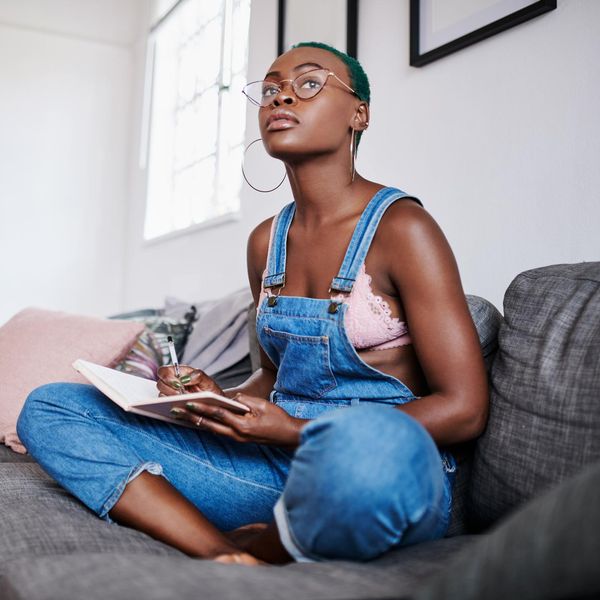
The first thing you’ll need to do in order to work through your trauma is to recognize that you have experienced a traumatic event. This could look like expressing your thoughts through journaling, or talking to a trusted family member or friend. It may also require seeking professional help through counseling or therapy.
You may also benefit from the following tips:
- The next time you feel inclined to resist an offer of assistance, take a moment to examine why. Do you truly not need the help or could delegating some responsibility actually make the situation better?
- Consider what it would be like to let someone else handle the situation. Perhaps that could give you more time with your family or take some time for yourself.
- If you don’t need help on the specific task they offered help on, assess your other duties to see if there are other tasks you could use assistance on.
- Remember that dependence is not bad and that interdependence is the “secret” to getting it all done.
 Youtube Reaction GIF by Lilly SinghGiphy
As I reflected on reasons why Black women may experience hyper-independence, I was reminded of a concept I learned in grad school. Relational dialectics is a communication theory that was born out of the philosophical belief of Dialectics, which is used to explain the relationship between opposing thoughts. Basically, Dialectics is the discourse between two different points of view, or in layman's terms, a contradiction. Think of it this way in terms of a Black woman versus a strong Black woman.
On one hand, the “Black woman” is a minority who is used to struggling. And on the other hand, there’s the “strong Black woman” who can do anything that comes her way. Now imagine that you have to prove one idea is true and refute the other.
The theory of Dialectics is a way to help us recognize that both ideas may exist, simultaneously. This "push and pull" ideology dates back to the classical era of Greek philosophers such as Socrates, Plato, and Aristotle. Although called by a different name, the methodology/way of thinking was founded on the idea of two opposing/contrasting thoughts/ideas being so drastically different that they either: (1) determine one to be “true” over the other, (2) find neither to be true or (3) establish both to be true to some extent, resulting in further exploration of either or both sides. With this understanding, it’s easier to see how the two may be interconnected, perhaps even influencing one another.
 Yvonne Orji Therapy GIF by Insecure on HBOGiphy
Similar concepts exist in other cultures, for example, the dynamism of the Yin and Yang. Much like Dialectics, practitioners of the Yin and Yang concept believe “the balance of emotional values in a relationship is always in motion, and any value pushed to its extreme contains the seed of its opposite.” Thus, the study of Dialectics is really about how to have a conversation that leads to truth. This is different from the eristic method, which is when someone argues just to win, and from the didactic method, which is when one person teaches another. Essentially, Dialectics not only teaches us how people argue, but it can also demonstrate how we can learn from each other.
With this understanding in mind, I wanted to examine the relationship between dependence, independence, and hyper-independence. Maybe these states of being aren’t as compartmentalized as they seem. Maybe the act of being independent is having the ability to care for yourself enough to know when it's time to let someone else who also cares, care for you.
“I could really use your help on this.”
For so long, I was the person who said “no,” before I said, “yes.” But I’m learning to say, “This is actually hard but I’m so used to doing things all by myself. I really appreciate you for offering to help.”
And I actually feel stronger than ever.
Let’s make things inbox official! Sign up for the xoNecole newsletter for daily love, wellness, career, and exclusive content delivered straight to your inbox.
Featured image by Getty Images
- I Manifested Becoming A Single Mom - xoNecole: Women's Interest ... ›
- Amanda Seales Black Women Self-Care Wellness - xoNecole ... ›
- Beyonce Motivation Meme You Have The Same Hours - xoNecole ... ›
- Beyonce Motivation Meme You Have The Same Hours - xoNecole: Women's Interest, Love, Wellness, Beauty ›
- 10 Quick And Easy Journal Prompts For Entrepreneurs - xoNecole: Women's Interest, Love, Wellness, Beauty ›
- How To Cultivate Better Self-Worth - xoNecole ›
RELATED
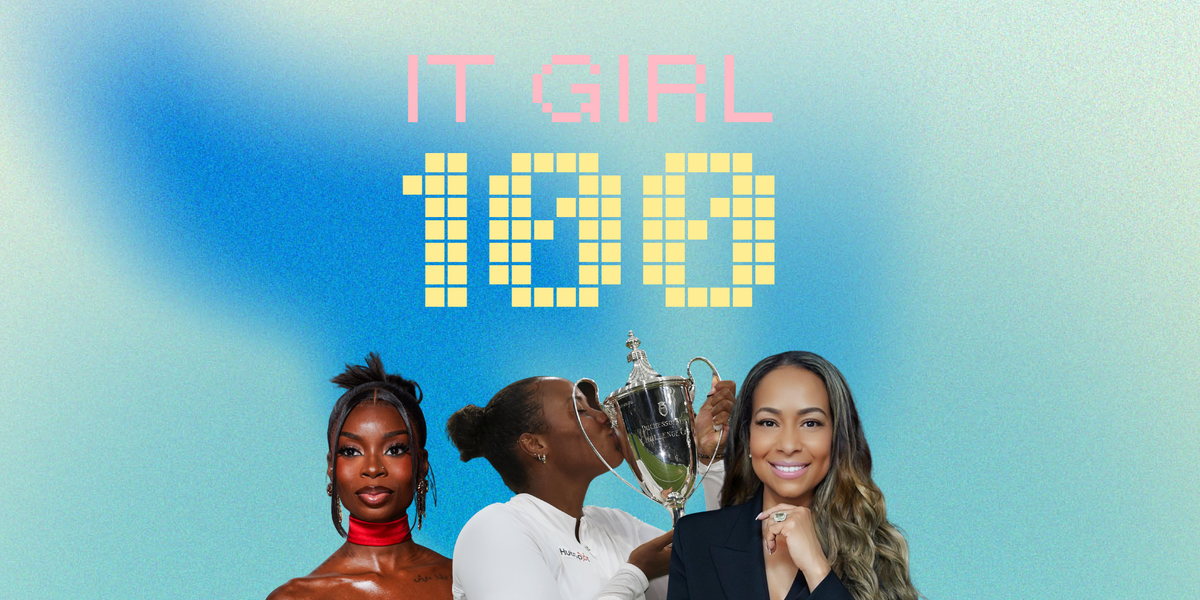
So, we handpicked one hundred It Girls who embody that palpable It Factor moving through us as young Black women, the kind of motion lighting up the world both IRL and across the internet.
It Girl 100 became xoNecole’s most successful program, with the hashtag organically reaching more than forty million impressions on Instagram in just twenty-four hours. Yes, it caught on like wildfire because we celebrated some of the most brilliant and influential GenZennial women of color setting trends and shaping culture. But more than that, it resonated because the women we celebrated felt seen.
Many were already known in their industries for keeping this generation fly and lit, but rarely received recognition or flowers. It Girl 100 became a safe space to be uplifted, and for us as Black women to bask in what felt like an era of our brilliance, beauty, and boundless influence on full display.
And then, almost overnight, it was as if the rug was pulled from under us as Black women, as the It Girls of the world.
Our much-needed, much-deserved season of ease and soft living quickly metamorphosed into a time of self-preservation and survival. Our motion and economic progression seemed strategically slowed, our light under siege.
The air feels heavier now. The headlines colder. Our Black girl magic is being picked apart and politicized for simply existing.
With that climate shift, as we prepare to launch our second annual It Girl 100 honoree list, our team has had to dig deep on the purpose and intention behind this year’s list. Knowing the spirit of It Girl 100 is about motion, sauce, strides, and progression, how do we celebrate amid uncertainty and collective grief when the juice feels like it is being squeezed out of us?
As we wrestled with that question, we were reminded that this tension isn’t new. Black women have always had to find joy in the midst of struggle, to create light even in the darkest corners. We have carried the weight of scrutiny for generations, expected to be strong, to serve, to smile through the sting. But this moment feels different. It feels deeply personal.
We are living at the intersection of liberation and backlash. We are learning to take off our capes, to say no when we are tired, to embrace softness without apology.
And somehow, the world has found new ways to punish us for it.
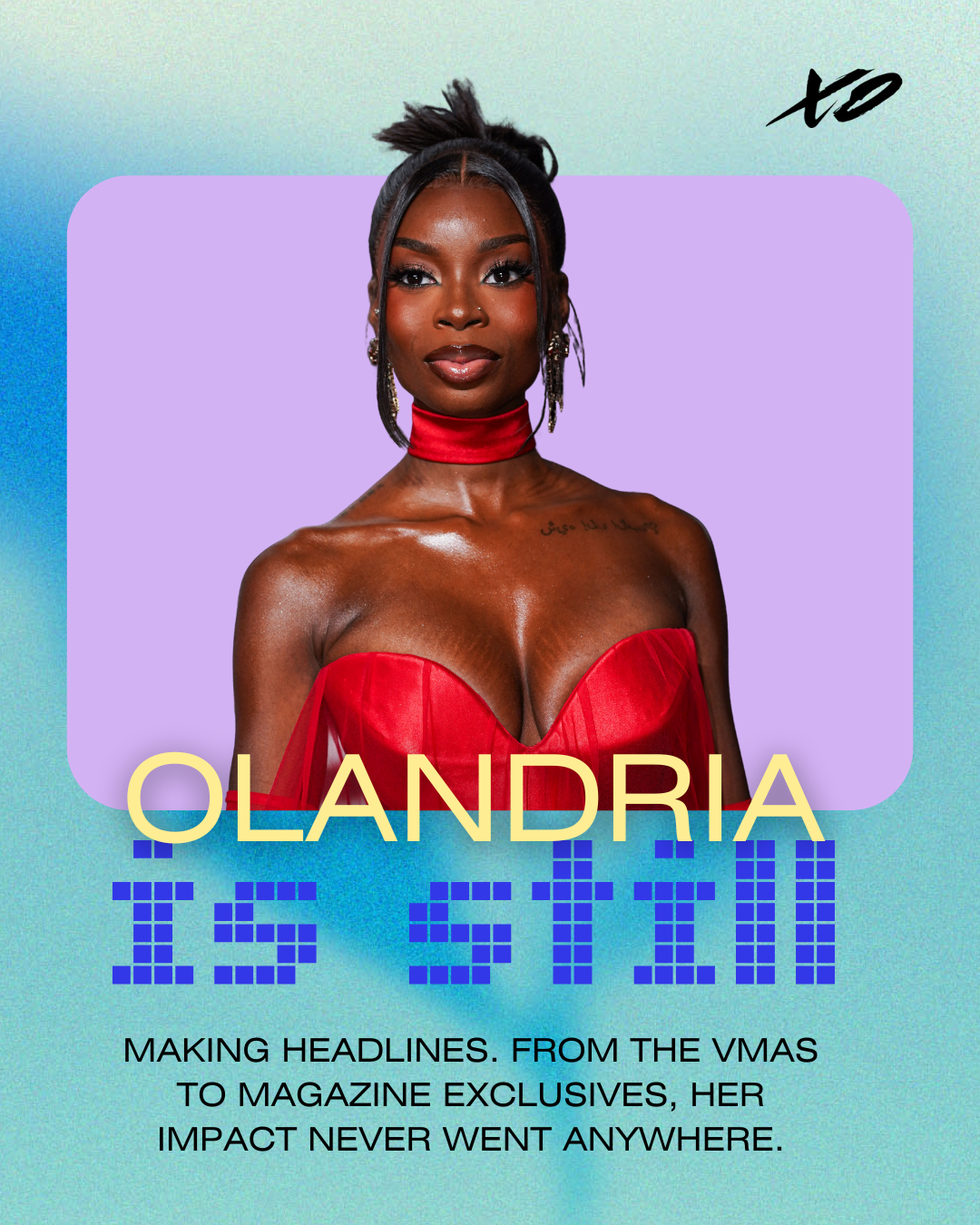
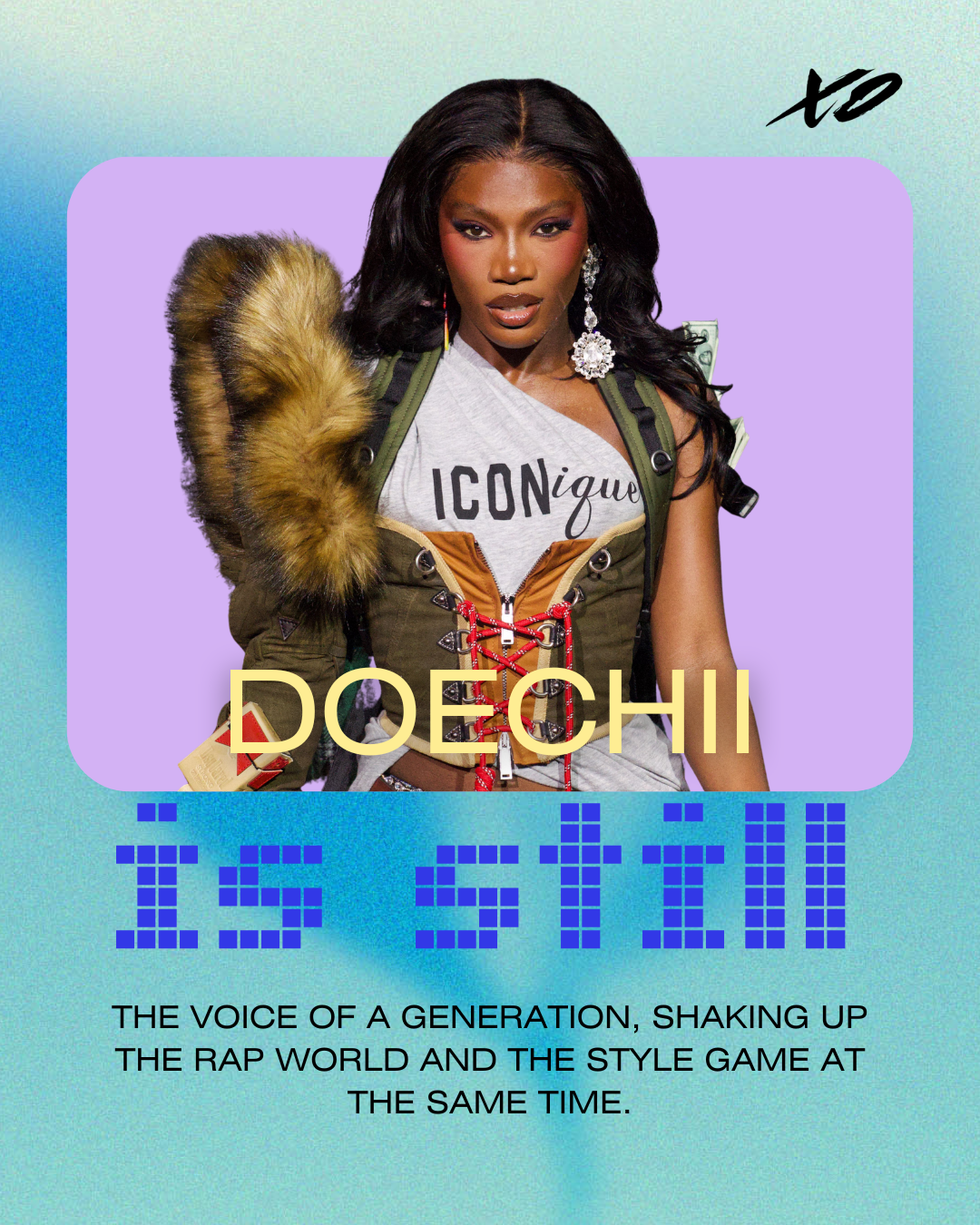
In lifestyle, women like Kayla Nicole and Ayesha Curry have been ridiculed for daring to choose themselves. Tracee Ellis Ross was labeled bitter for speaking her truth about love. Meghan Markle, still, cannot breathe without critique.
In politics, Kamala Harris, Letitia James, and Jasmine Crockett are dragged through the mud for standing tall in rooms not built for them.
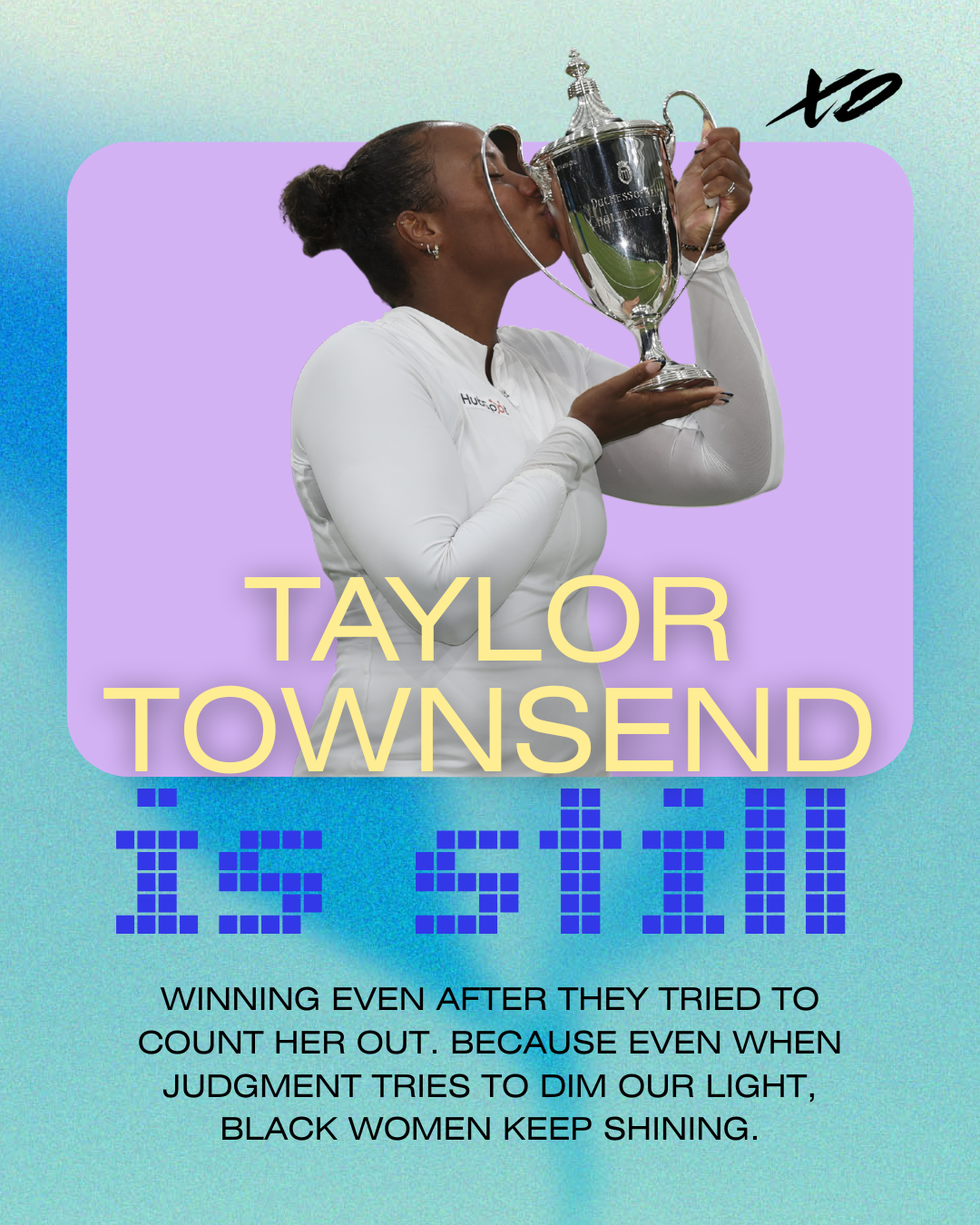
In sports, Angel Reese, Coco Gauff, and Taylor Townsend have been reminded that even excellence will not shield you from racism or judgment.
In business, visionaries like Diarrha N’Diaye-Mbaye and Melissa Butler are fighting to keep their dreams alive in an economy that too often forgets us first.
Even our icons, Beyoncé, Serena, and SZA, have faced criticism simply for evolving beyond the boxes society tried to keep them in.
From everyday women to cultural phenoms, the pattern is the same. Our light is being tested.
And yet, somehow, through it all, we are still showing up as that girl, and that deserves to be celebrated.
Because while the world debates our worth, we keep raising our value. And that proof is all around us.
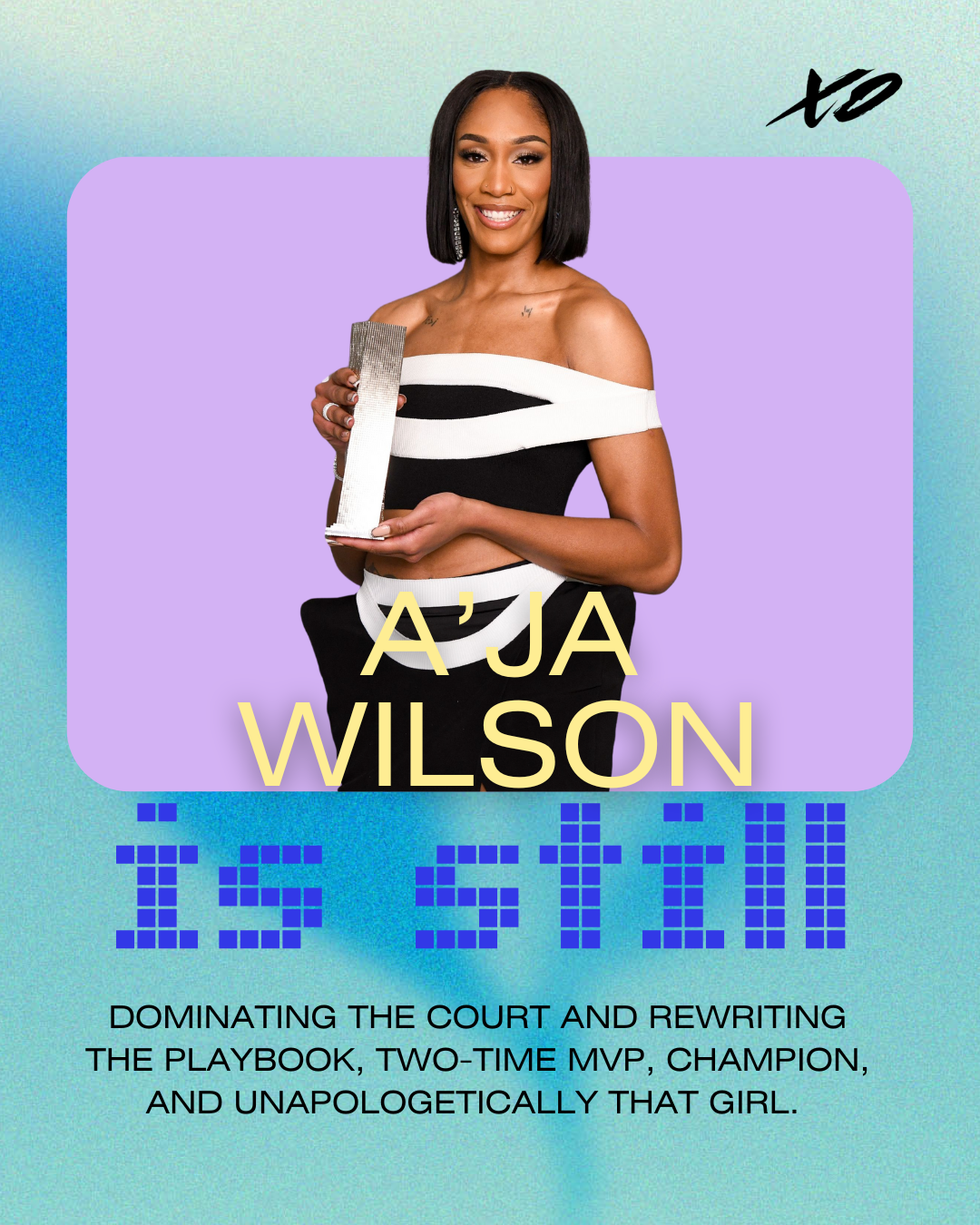
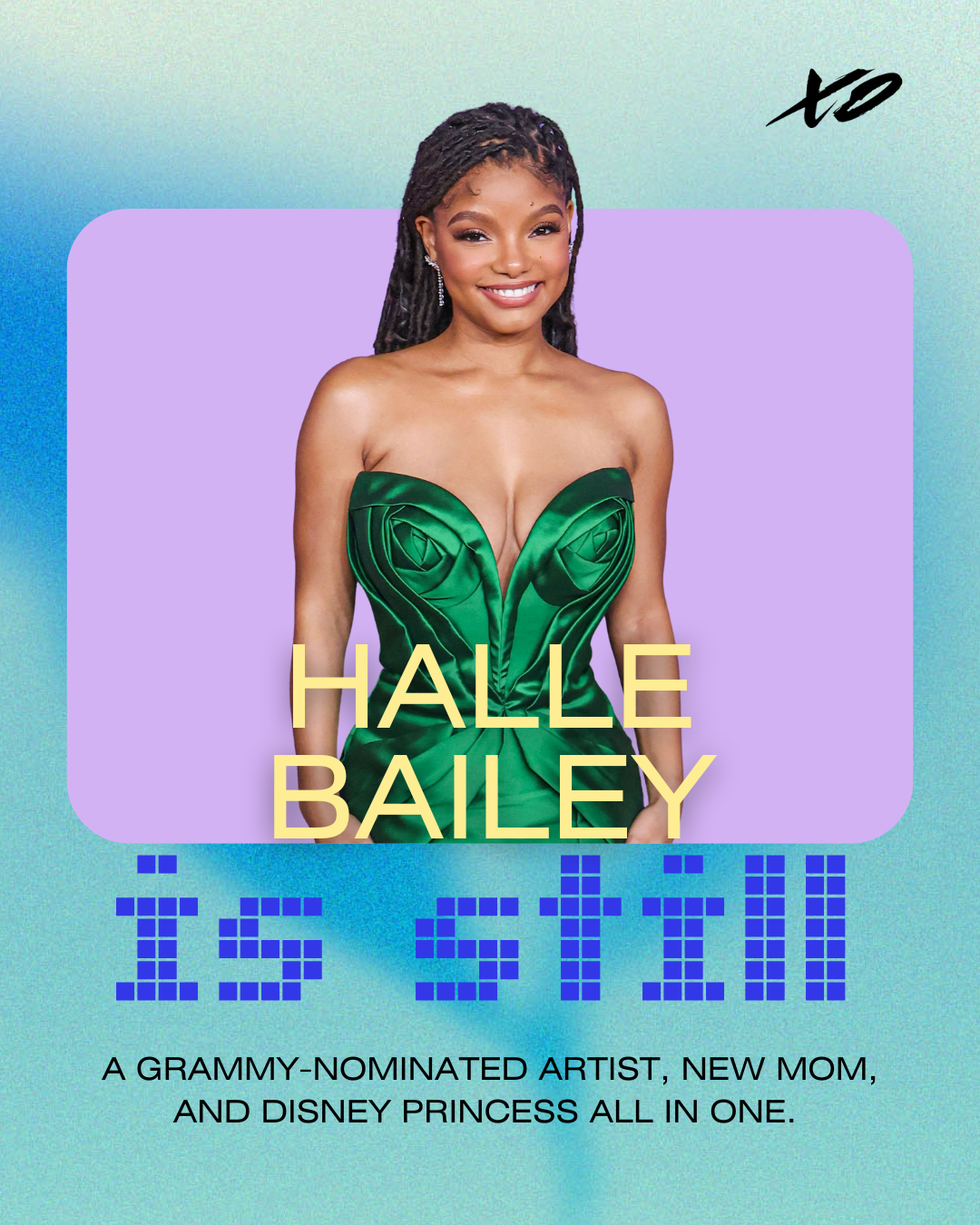
This year alone, Naomi Osaka returned from motherhood and mental health challenges to reach the semifinals of the US Open. A’ja Wilson claimed another MVP, reminding us that beauty and dominance can coexist. Brandy and Monica are snatching our edges on tour. Kahlana Barfield Brown sold out her new line in the face of a retailer that had been canceled. And Melissa Butler’s company, The Lip Bar, is projecting a forty percent surge in sales.
We are no longer defining strength by how much pain we can endure. We are defining it by the unbreakable light we continue to radiate.
We are the women walking our daily steps and also continuing to run solid businesses. We are growing in love, taking solo trips, laughing until it hurts, raising babies and ideas, drinking our green juice, and praying our peace back into existence.
We are rediscovering the joy of rest and realizing that softness is not weakness, it is strategy.
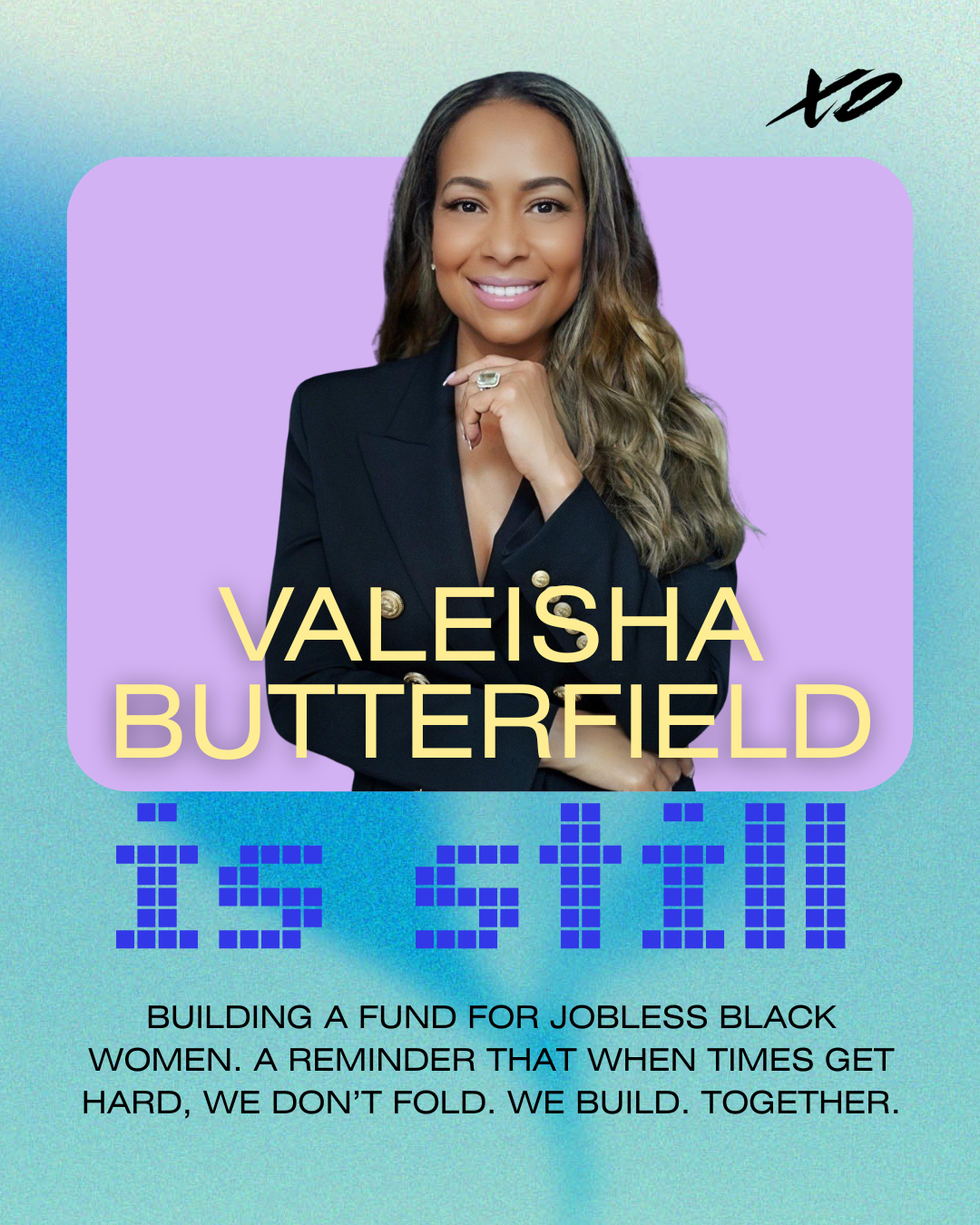
And through it all, we continue to lift one another. Emma Grede is creating seats at the table. Valeisha Butterfield has started a fund for jobless Black women. Arian Simone is leading in media with fearless conviction. We are pouring into each other in ways the world rarely sees but always feels.
So yes, we are in the midst of societal warfare. Yes, we are being tested. Yes, we are facing economic strain, political targeting, and public scrutiny. But even war cannot dim a light that is divinely ours.
And we are still shining.
And we are still softening.
And we are still creating.
And we are still It.
That is the quiet magic of Black womanhood, our ability to hold both truth and triumph in the same breath, to say yes, and to life’s contradictions.
It is no coincidence that this year, as SheaMoisture embraces the message “Yes, And,” they stand beside us as partners in celebrating this class of It Girls. Because that phrase, those two simple words, capture the very essence of this moment.
Yes, we are tired. And we are still rising.
Yes, we are questioned. And we are the answer.
Yes, we are bruised. And we are still beautiful.
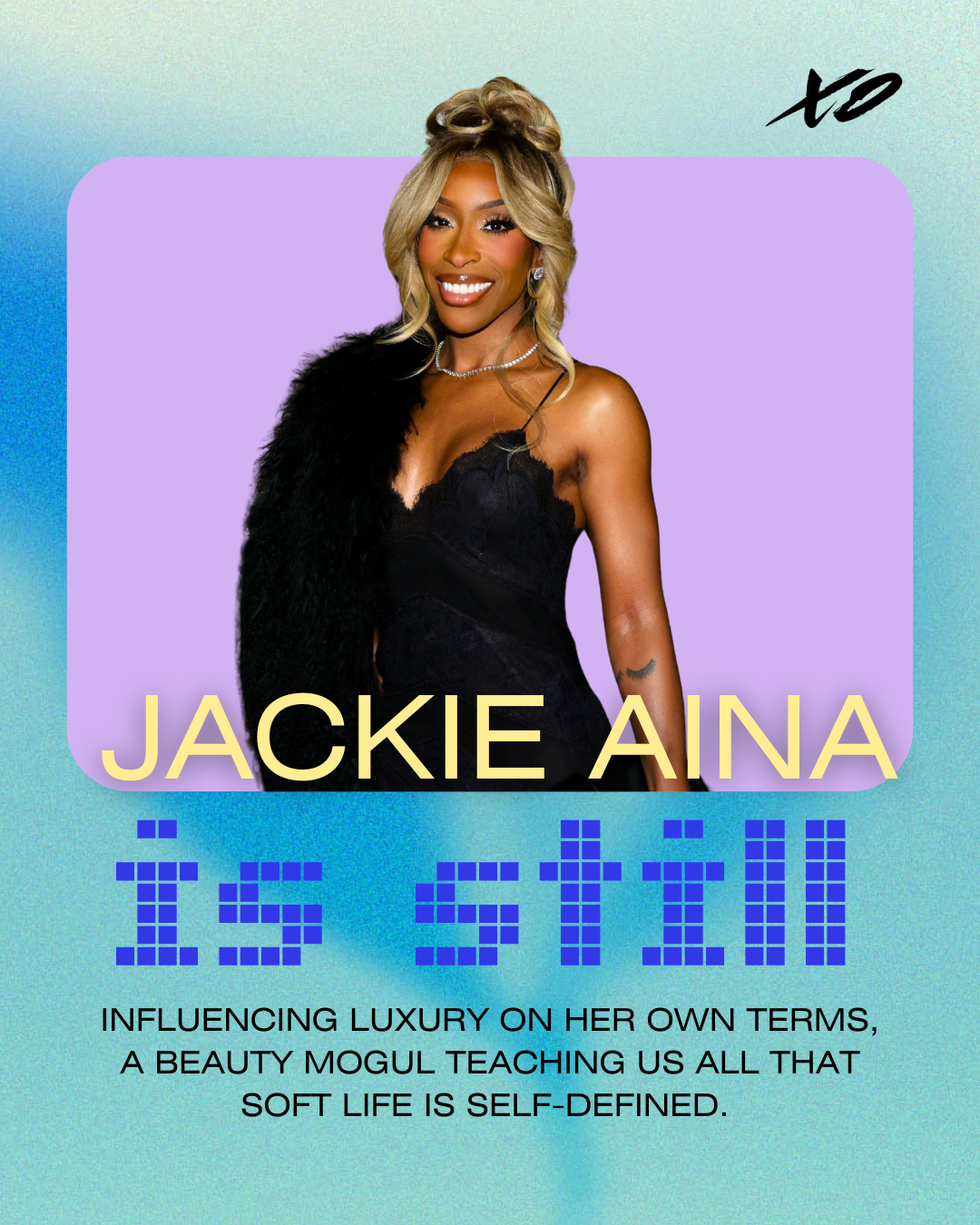
This year’s It Girl 100 is more than a list. It is a love letter to every Black woman who dares to live out loud in a world that would rather she whisper. This year’s class is living proof of “Yes, And,” women who are finding ways to thrive and to heal, to build and to rest, to lead and to love, all at once.
It is proof that our joy is not naive, our success not accidental. It is the reminder that our light has never needed permission.
So without further ado, we celebrate the It Girl 100 Class of 2025–2026.
We celebrate the millions of us who keep doing it with grace, grit, and glory.
Because despite it all, we still shine.
Because we are still her.
Because we are still IT, girl.
Meet all 100 women shaping culture in the It Girl 100 Class of 2025. View the complete list of honorees here.
Featured image by xoStaff

Kayla Nicole says she wore a dress that was once worn by Braxton herself for the Halloween costume. “It’s not a secret Toni is more on the petite side. I’m obsessed with all 5’2” of her,” she tells xoNecole via email. “But I’m 5’10'' and not missing any meals, honey, so to my surprise, when I got the dress and it actually fit, I knew it was destiny.”
The episode was the perfect way for the multihyphenate to take control of her own narrative. By addressing the viral moment on her own platform, she was able to stir the conversation and keep the focus on her adoration for Braxton, an artist she says she grew up listening to and who still makes her most-played playlist every year. Elsewhere, she likely would’ve received questions about whether or not the costume was a subliminal aimed at her ex-boyfriend and his pop star fiancée. “I think that people will try to project their own narratives, right?” she said, hinting at this in the episode. “But, for me personally – I think it’s very important to say this in this moment – I’m not in the business of tearing other women down. I’m in the business of celebrating them.”
Kayla Nicole is among xoNecole’s It Girl 100 Class of 2025, powered by SheaMoisture, recognized in the Viral Voices category for her work in media and the trends she sets on our timelines, all while prioritizing her own mental and physical health. As she puts it: “Yes, I’m curating conversations on my podcast The Pre-Game, and cultivating community with my wellness brand Tribe Therepē.”
Despite being the frequent topic of conversation online, Kayla Nicole says she’s learning to take advantage of her growing social media platform without becoming consumed by it. “I refuse to let the internet consume me. It’s supposed to be a resource and tool for connection, so if it becomes anything beyond that I will log out,” she says.
On The Pre-Game, which launched earlier this year, she has positioned herself as listeners “homegirl.” “There’s definitely a delicate dance between being genuine and oversharing, and I’ve had to learn that the hard way. Now I share from a place of reflection, not reaction,” she says. “If it can help someone feel seen or less alone, I’ll talk about it within reason. But I’ve certainly learned to protect parts of my life that I cherish most. I share what serves connection but doesn’t cost me peace.
"I refuse to let the internet consume me. It’s supposed to be a resource and tool for connection, so if it becomes anything beyond that I will log out."
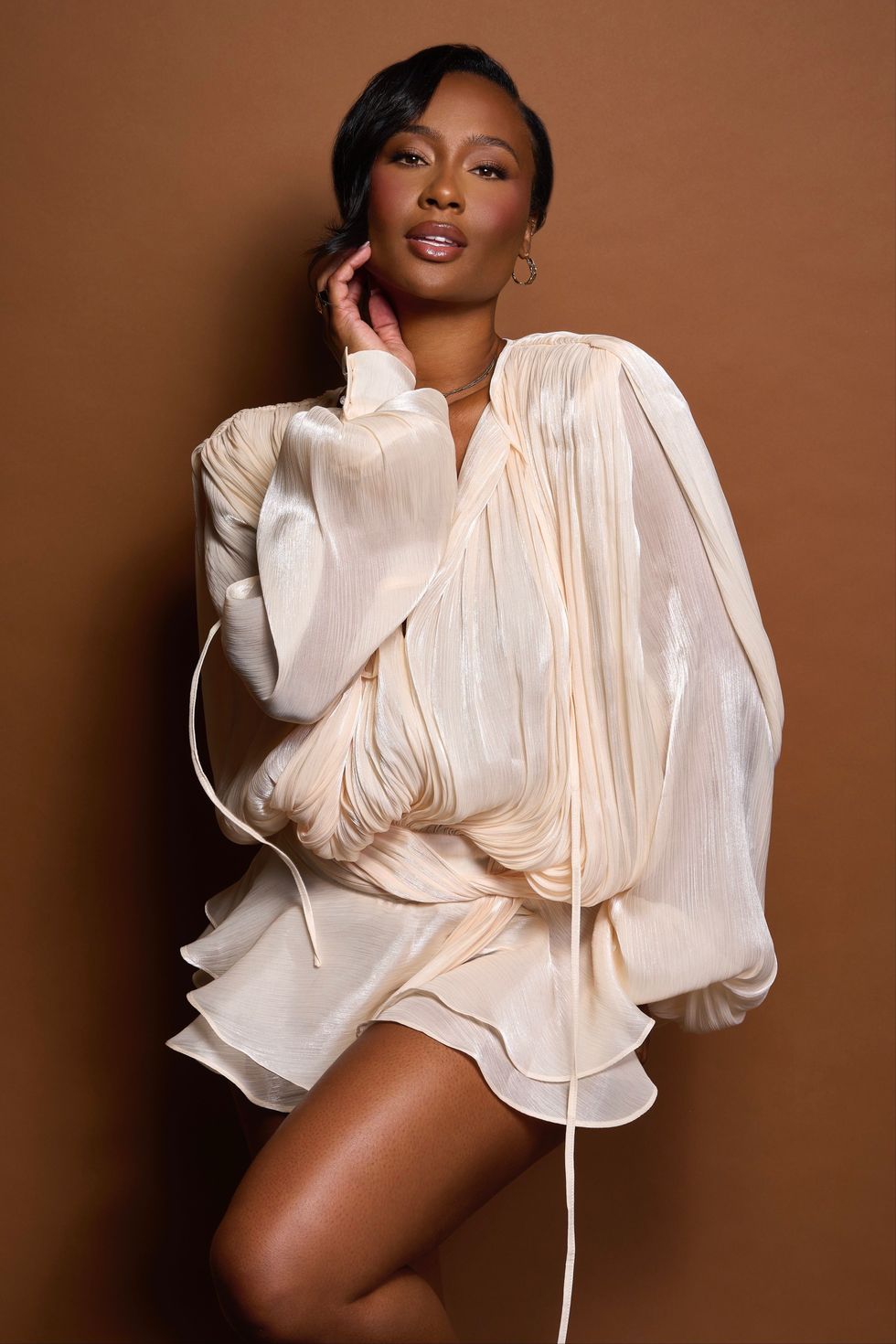
Credit: Malcolm Roberson
Throughout each episode, she sips a cocktail and addresses trending topics (even when they involve herself). It’s a platform the Pepperdine University alumnus has been preparing to have since she graduated with a degree in broadcast journalism, with a concentration in political science.
“I just knew I was going to end up on a local news network at the head anchor table, breaking high speed chases, and tossing it to the weather girl,” she says. Instead, she ended up working as an assistant at TMZ before covering sports as a freelance reporter. (She’s said she didn’t work for ESPN, despite previous reports saying otherwise.) The Pre-Game combines her love for pop culture and sports in a way that once felt inaccessible to her in traditional media.
She’s not just a podcaster, though. When she’s not behind the mic, taking acting classes or making her New York Fashion Week debut, Kayla Nicole is also busy elevating her wellness brand Tribe Therepē, where she shares her workouts and the workout equipment that helps her look chic while staying fit. She says the brand will add apparel to its line up in early 2026.
“Tribe Therepē has evolved into exactly what I have always envisioned. A community of women who care about being fit not just for the aesthetic, but for their mental and emotional well-being too. It’s grounded. It’s feminine. It’s strong,” she says. “And honestly, it's a reflection of where I am in my life right now. I feel so damn good - mentally, emotionally, and physically. And I am grateful to be in a space where I can pour that love and light back into the community that continues to pour into me.”
Tap into the full It Girl 100 Class of 2025 and meet all the women changing game this year and beyond. See the full list here.
Featured image by Malcolm Roberson